ブログカテゴリー

業界インサイト

総記事数 25
Does food safe silicone Release microplastics? Truth Guide
- Zhang

Does food safe silicone Release microplastics? Truth Guide

Does Silicone Release Microplastics? Are you worried that silicone kitchenware releases microplastics into food? Choosing wrong kitchen tools leads to long-term hidden chemical residues. Pure cured silicone contains zero petroleum carbon chains, releasing no traditional microplastics. Under high-heat steam or physical friction, silicone can shed micron-scale polysiloxane particles. Certified food-grade silicone maintains particle release levels far below standard plastics. Why Is Particle Shedding From food safe silicone Different From Plastic microplastics ? Global anxieties surrounding microplastics raise concerns about silicone tableware. Confusing chemical polymer structures leads to wrong purchasing decisions. Standard plastics derive from petroleum carbon chains, shedding traditional microplastics. Food safe silicone relies on a siloxane backbone, releasing polysiloxane […]

続きを読む
Why Choose Liquid Silicone Rubber? Flashless Advantages
- Zhang

Why Choose Liquid Silicone Rubber? Flashless Advantages

Why Choose Liquid Silicone Rubber Injection Molding? Are you struggling with high scrap rates and costly manual trimming in rubber compression molding? liquid silicone rubber injection molding solves this production bottleneck completely. liquid silicone rubber (LSR) injection molding uses platinum-catalyzed addition curing without byproducts. It features high flowability and rapid curing, pairing with flashless tooling technology to achieve zero trimming and highly automated, efficient production. What Are the Hardcore Advantages of Liquid Silicone Injection Molding? Manual operations cause low productivity and inconsistent product quality, placing your supply chain at risk. liquid silicone injection molding (LIMS) technology breaks through this operational barrier effectively. liquid silicone injection molding delivers four advantages: automated […]

続きを読む
What Is Medical Grade LSR Silicone? Selection Guide
- Zhang

What Is Medical Grade LSR Silicone? Selection Guide

What Is Medical Grade LSR Silicone? Choosing the wrong material for medical devices leads to costly product recalls and patient risks. You might feel anxious about material safety. High-grade lsr silicone solves this problem effectively. Medical grade lsr silicone is a high-purity specialized polymer. It uses a two-component system with platinum catalyst curing. It passes USP Class VI and ISO 10993 standards, delivering biocompatibility, non-toxicity, and high chemical inertness for human tissue contact. Why Does the Healthcare Industry Prefer LSR Silicone Materials? Standard rubber contains additives that leach out during sterilization. Medical equipment developers often struggle with fluid contamination. If you do not resolve this issue, your medical device will […]

続きを読む
Liquid Silicone Rubber vs HCR: Medical Device Guide
- Zhang

Liquid Silicone Rubber vs HCR: Medical Device Guide

What Are the Pros and Cons of HCR vs Liquid Silicone Rubber in Medical Devices? Choosing the wrong medical silicone material causes compliance failures and costly rejections. Are you struggling to decide between HCR and LSR? Medical silicone selection depends on application scenarios. High Consistency Rubber (HCR) suits low-cost, thick-walled, non-core components. Liquid silicone rubber (lsr silicone) offers high purity and zero peroxide residues, making it ideal for thin-walled precision parts and core medical consumables. Many buyers focus only on raw material prices, suffering huge hidden costs during mass production. Drawing on fifteen years of manufacturing experience, I will break down the true differences between these silicone materials. Why Use […]

続きを読む
Custom Silicone Molds: 1 Reason for Weight Variations
- Zhang

Custom Silicone Molds: 1 Reason for Weight Variations

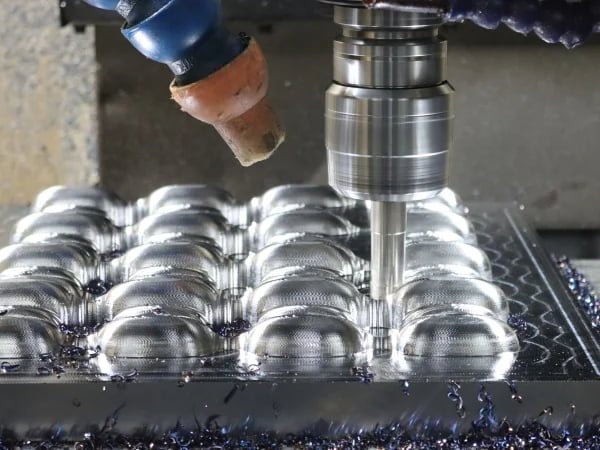
Why Silicone Parts Vary in Weight? Do your custom silicone parts have uneven weights? This leads to severe assembly failures and material waste. This is a common consequence of choosing inferior custom silicone molds. Weight variations in silicone parts usually stem from uncontrolled mold cavity dimensional tolerances. Uncompensated tool wear during CNC machining causes slight volume deviations in each core, ultimately leading to significant weight disparities in mass production. How Do Tools and Tool Compensation Determine custom silicone molds Precision? Mold dimensional deviations directly lead to scrapped parts. If CNC milling tool wear is not adjusted promptly, your custom mold manufacturer faces massive yield risks. Tool quality and precise tool […]

続きを読む
Mix silicone rubber
- Zhang

5 Essential Keys: How to Make Quality Custom Silicone Covers?

What Details Matter Most When Producing Custom Silicone Covers? Are you worried about deformed silicone covers or black spots? These flaws ruin product appearance and cause customer complaints. I will share key manufacturing details. Producing quality custom silicone covers requires focus on four main steps. First, factories select raw silicone with proper elasticity. Second, workers mix color pigments for over 30 minutes. Third, factories maintain clean environments. Fourth, operators carefully trim all excess burrs. Consumers now view silicone protective covers as fashion accessories. Simple drop protection is no longer enough for modern buyers. If you want to know how professional factories handle key production details, please read further below. How […]

続きを読む
Silicone Parts Sticking to Molds? Try Teflon Coating!
- Zhang

Why Silicone Manufacturing Factories Use Teflon Coating to Molds

Are Your Silicone Parts Sticking to Molds? Try Teflon Coating Process! Do your silicone products keep sticking to your molds? This damages your parts, slows down production, and causes missed delivery deadlines for your business. Applying a Teflon coating to your mold is the most effective solution for sticking issues. This PTFE layer lowers friction and stops adhesion, allowing custom silicone parts to release easily and quickly. Why Do Traditional Release Methods Fail on Complex Silicone Parts? Using release spray or sandblasting seems easy and cheap. However, when you work with high-precision or complex silicone parts, these traditional methods often fail and pollute product surfaces. Liquid release sprays leave sticky […]

続きを読む
Fake Food Safe Silicone Exposed: 5 Mistakes Buyers Make
- Zhang

Exposing Fake Food Safe Silicone: The Manufacturing Truth 1

Is Your Food Safe Silicone Truly Compliant? Bad silicone releases toxic chemicals under high heat. This damage ruins your brand reputation severely. I recorded technical reports from the factory to help you identify substandard materials. Real food safe silicone uses high-purity fumed silica. It stays clear when stretched, has high transparency, and emits no odor. The factory removes toxic residues completely through a strict vulcanization process. Written certificates sometimes fail to reflect real manufacturing quality. I compiled testing data from the workshop floor, and I will explain what really happens on production lines below. Why Does Low-Grade Food Safe Silicone Rubber Turn Yellow and Ooze Oil? Silicone kitchenware turns yellow […]

続きを読む
Custom Silicone Cover Ruined by White Spots? 3 Easy Fixes!
- Zhang

Custom Silicone Cover Ruined by White Spots? 3 Easy Fixes!

Custom Silicone Cover Ruined by White Spots? 3 Easy Fixes! Custom silicone cover white spot defects can ruin customer trust quickly. White spots on black surfaces lead to costly returns. Today I share a real solution case from Dibo Tech. Silicone covers get white spots because of blooming. Zinc stearate in silicone raw material precipitates under cold and humid weather. We replace materials and add 72-hour temperature tests to solve it completely. Why Does a Custom Silicone Cover Develop White Spots in Cold Weather? You inspect products as normal in the factory. However, the customer receives products covered in white spots. This sudden defect causes money loss and destroys customer […]

続きを読む
POS terminal silicone covers
- ジェフ・イェ

Why Do POS Terminal Silicone Protective Cases Experience Breakage at Thin-Walled Areas?

If you’ve ever pulled a protective silicone case off your POS terminal only to find a torn corner or snapped camera strap, you’re not alone. These failures aren’t random—they stem from predictable material and design weaknesses that many manufacturers overlook. For buyers sourcing thousands of units, a single batch with breakage issues can disrupt operations and damage brand reputation.

続きを読む
WhatsAppでチャットする