Silicone BPA Free: Dangers of BPA & Silicone Safety Guide
What Are the Dangers of BPA, and Which Silicone Products Contain It?
Are you concerned that baby tableware and heating utensils leach bisphenol A? Ignoring material compliance hazards exposes your family to hidden chemical risks.
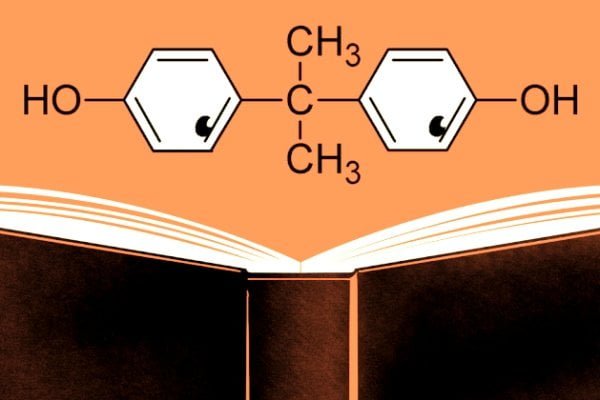
Bisphenol A is a harmful plastic monomer that disrupts human endocrine function. Pure silicone is naturally free from bisphenol A. BPA risks associated with Silikonprodukte originate primarily from composite plastic handles, PC shields, and low-grade recycled fillers.
Many buyers assume that "BPA Free" labels guarantee complete product safety, unaware that composite plastic handles and recycled fillers release toxic substances.
BPA Toxicity Mechanisms and Global Regulatory Trends
Bisphenol A (BPA) serves as a key monomer in polycarbonate (PC) plastics and epoxy can coatings. According to evaluations by the European Food Safety Authority (EFSA), low-level BPA exposure alters human immune response, thyroid function, and reproductive development.
European regulators maintain strict restrictions on BPA in food contact articles, phasing it out entirely across food packaging. The US FDA strictly regulates BPA usage in infant bottles and sippy cups under federal regulations. Manufacturers often market BPS or BPF as substitutes, yet these analogs exhibit similar estrogenic activity. We strictly audit material sourcing to ensure full compliance with eCFR 21 CFR 177.2600 food safety criteria.
| Chemical Category | Molecular Structure & Usage | Ecotoxicity & Health Risk | Regulatory Agency Stance |
|---|---|---|---|
| Bisphenol A (BPA) | Polycarbonate (PC) Plastic Monomer | Endocrine disruption, neural harm | Banned in EU food contact, FDA limits |
| Bisphenol S/F (BPS/BPF) | BPA alternatives in cheap plastics | Exhibits similar estrogenic toxicity | Monitored under restricted lists |
| Pure Silicone (PDMS) | Siloxane (Si-O-Si) Polymer | 100% BPA/BPS free, chemically inert | Passes 21 CFR 177.2600 testing |
Does Pure Silicone Contain BPA, and is food grade silicone BPA free ?
Does confusing silicone elastomer with petroleum plastic lead to wrong purchasing decisions? Misidentifying silicone as plastic creates unnecessary material anxiety. You need to understand silicone polymer chemistry.
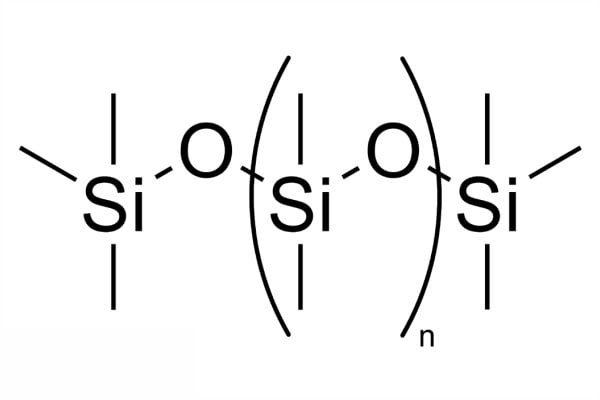
Is food grade silicone BPA free? Yes. Food-grade silicone consists of polydimethylsiloxane (PDMS)with a silicon-oxygen backbone. Silicone manufacturing requires zero bisphenol A or plasticizer additives.
Silicone Polymer Chemistry and Natural BPA-Free Properties
In polymer science, food-grade silicone is an inorganic-organic hybrid polymer. Its chemical backbone consists of alternating silicon and oxygen atoms (Si-O-Si), rather than petroleum carbon chains found in plastics. Bisphenol A is a synthetic monomer used to harden polycarbonate plastics or synthesize epoxy resins. Pure Silicone BPA Free material requires zero BPA, BPS, or phthalate plasticizers during compounding and vulcanization.
Whether utilizing liquid silicone rubber (LSR) or high-consistency rubber (HCR), genuine food-grade base gum contains no bisphenol compounds. When utilizing platinum addition cure systems, the vulcanization process produces zero volatile organic acids or toxic byproducts. This makes food-grade silicone an ideal safe alternative to traditional PC plastics. You must recognize that pure silicone is naturally free from bisphenol A.
| Material Category | Backbone Chemical Structure | BPA / Plasticizer Addition | High Temperature Stability |
|---|---|---|---|
| Liquid Silicone (LSR) | Siloxane (Si-O-Si) Inorganic | 100% Naturally BPA & Plasticizer Free | Extremely stable at 200°C |
| Solid Silicone (HCR) | Siloxane (Si-O-Si) Inorganic | 100% Naturally BPA & Plasticizer Free | Stable at 200°C, odorless |
| Polycarbonate (PC) | Carbon-Chain (C-C) Petroleum | Requires BPA monomer synthesis | Leaches BPA rapidly in hot oil |
| Counterfeit TPE Rubber | Carbon-Chain Plastic Blend | Added phthalates or paraffin oils | Leaches volatile toxic plasticizers |
Why Can Products Labeled Silicone BPA Free Still Contain BPA?
Are you concerned that silicone pacifiers labeled BPA Free still leach toxins? Hard plastic accessories connected to silicone components can release chemicals. Ignoring composite parts introduces severe quality defects.
Silicone products test positive for BPA due to plastic handles, PC shields, recycled fillers, or overmolded substrates. Vendor claims for Silicone BPA Free often cover only the silicone part while ignoring plastic components.
BPA Hazards in Composite Assemblies and Adulterated Rubbers
Consumers purchase finished commercial products rather than raw silicone gum. BPA risks in silicone products stem almost exclusively from composite assemblies. For instance, baby pacifiers pair a soft silicone nipple with a hard PP or PC plastic shield. Academic studies demonstrate that trace BPA detected in pacifiers originates from plastic shields rather than silicone nipples.
Similar risks occur in silicone spatulas with plastic handles, collapsible bowls with rigid plastic rims, and silicone baby bottles with plastic screw caps. Furthermore, cheap counterfeit spatulas blend TPE with PC plastic or mix silicone with paraffin oil, calcium carbonate, and recycled plastic powder. These low-grade fillers leach toxic additives rapidly under high-heat cooking. Vendors advertising Silicone BPA Free status often test only the silicone elastomer while omitting attached plastic hardware. In manufacturing is food grade silicone BPA free products, we implement full quality audits across all composite parts.
| Composite Silicone Item | Hidden BPA Risk Location | Cause of Chemical Risk | Compliant Sourcing Advice |
|---|---|---|---|
| Baby Pacifiers | Hard Plastic Shield | Made with cheap PC or recycled plastic | Specify PP shields, demand full testing |
| Silicone Spatulas | Internal Plastic Core or Handle | Internal PC core leaches BPA under heat | Choose full-silicone or stainless cores |
| Collapsible Bowls | Rigid Rim or Screw Cap | Rigid plastic ring contains BPA monomer | Require separate BPA Free proof for plastic |
In conclusion, pure food-grade silicone is naturally BPA-free in its chemical structure. BPA risks associated with "silicone products" reside almost entirely in plastic handles, PC shields, overmolded plastic bases, and cheap recycled fillers. When sourcing silicone products, always inspect both the silicone test reports and the compliance certifications of attached plastic hardware.
About the Author & Dibo Tech
My name is Kunfa Ye, but friends call me Jeff. I was born in 1986, the year of the Tiger. In 2011, my brother Autumn Ye and I co-founded Dibo Tech, rooting ourselves in the silicone rubber industry for fifteen years. Building from scratch, we navigated industry cycles and learned the true rewards of hard work. We have always built our business on technical expertise and integrity.
The silicone industry touches every corner of modern manufacturing. I deeply believe that behind every product lies trust, and the essence of business is mutual gain. Over these years, my proudest achievement is not personal financial independence, but helping our clients optimize supply chains and boost production efficiency. Their success is far more rewarding than personal milestones. Today, I aim to give back by sharing insights, answering engineering questions, and connecting resources.
Brand Name: Dibo Tech Slogan: Dibo Technology Silicone Manufacturing Specialists Website: https://samxine.com/ Our Mission: Based on strong technical capabilities and quality first, we are committed to innovative and eco-friendly silicone rubber production, providing reliable silicone solutions while fulfilling social responsibilities for a sustainable future.
Frequently Asked Questions (FAQ)
Q1: How is the claim "is food grade silicone BPA free" explained scientifically? Answer: Food-grade silicone consists of polydimethylsiloxane (PDMS) with alternating silicon and oxygen atoms. Bisphenol A is a synthetic monomer used exclusively in polycarbonate plastics. Silicone processing requires zero bisphenol A, making pure silicone inherently BPA-free.
Q2: Why do some baby pacifiers labeled BPA Free test positive for trace BPA? Answer: Trace BPA originates not from the soft silicone nipple, but from the attached hard PP or PC plastic shield. Plastic shields leach bisphenol A during steam sterilization, contaminating the assembly.
Q3: How can I ensure that purchased Silicone BPA Free products are completely safe? Answer: When sourcing composite silicone assemblies, demand independent third-party BPA Free certification for all attached plastic handles, rims, and caps in addition to the silicone material test reports.
Schreibe einen Kommentar