
Custom Rubber Parts Manufacturers: 3 Fixes for 40% Dirt Defects
Custom Rubber Parts Manufacturers: 3 Fixes for 40% Dirt Defects
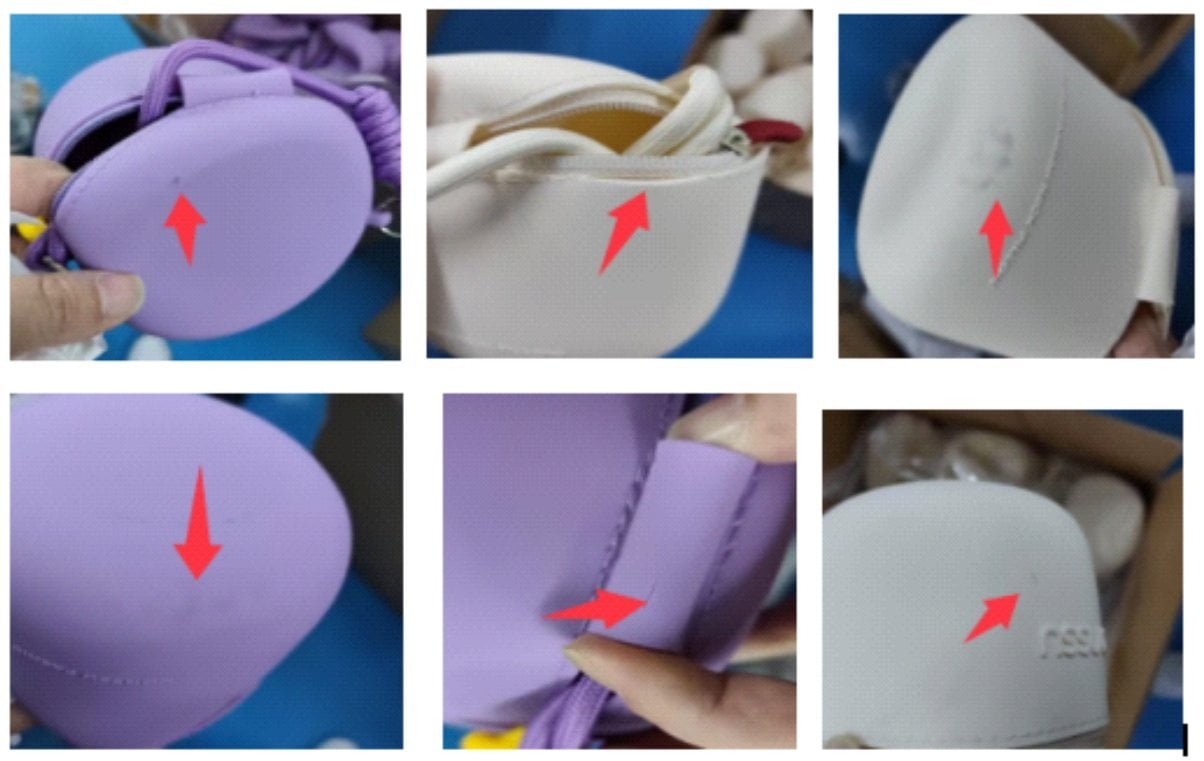
Delivered storage cylinder silicone pouches showing a 40% surface dirt defect during incoming inspection? This widespread contamination threatens to halt client delivery schedules completely. Today, I am recording a real factory 8D report detailing how a manufacturer resolved silicone pouch surface dirt defects.
Surface dirt on silicone pouches stems primarily from using flimsy plastic bags without rigid outer protection during inter-process transfer and outsourced processing, causing bag tearing and dust exposure. The factory saved the order by recalling inventory for emergency rework, adding protective plastic crates, assigning dedicated alcohol wiping staff, and conducting factory-wide quality training.
Why Does Simple Plastic Bag Packaging Cause a 40% Dirt Defect in Custom Made Rubber Parts?
Soft silicone surfaces attract dust easily due to static charge. Once plastic bags tear during handling, environmental dirt and dust contaminate products directly. Finding protection loopholes is essential to stopping contamination.
The factory relied solely on thin plastic bags during inter-process transport and outsourced processing. Friction during transit tore the bags, and the outsourced supplier failed to inspect incoming packaging, allowing contaminated semi-finished goods to enter final assembly.
Deep Analysis of 8D Logistics Protection Failures and QC Gaps
This 8D report shows that the client found a 40% surface dirt defect during incoming inspection of delivered silicone pouches.
Upon receiving the complaint, the factory's quality and customer service teams launched an emergency response. The factory committed to recalling 47 boxes (2,820 pieces total), assigning workshop QC teams to execute overtime cleaning to ensure rework was completed and delivered to the client on schedule.
First, product protection controls were inadequate. During process transfers and outsourced processing, products were wrapped only in thin plastic bags. The factory failed to account for bag tearing during transport, allowing ambient dust to contaminate silicone surfaces upon bag rupture.
Second, outsourced incoming quality control was missing. Incoming bags from the outsourced vendor arrived visibly torn, contaminating parts prior to intake, yet incoming inspectors failed to intercept them.
Third, staff quality awareness was weak. Personnel lacked awareness regarding silicone pouch dust protection requirements, failing to intercept defects and allowing contaminated goods to reach client inventory. When manufacturing demanding custom made rubber parts, robust transit protection and incoming inspection are as vital as molding processes.
| Defect Physical Appearance | Root Cause Generation (8D Analysis) | Logistics & Inspection Mechanism | Severe Resulting Consequences |
|---|---|---|---|
| 40% Surface Dirt Defect | Thin bags used; transit friction tore bags | Static attracted dust; silicone contacted dirt | Client rejected shipment; 2,820 pcs returned |
| Torn Outsourced Goods Accepted | Incoming inspection formalistic; no blocking | Torn vendor packaging accepted; dirty parts entered | Contamination expanded; assembly contaminated |
| QC Defense Line Failure | Workers lacked dust protection awareness | Rigid transit containers absent; tearing ignored | Triggered client complaint; delivery breach risk |
How Do Custom Rubber Parts Manufacturers Eliminate Dirt via Plastic Crates and Alcohol Wiping?
Washing silicone dirt with water leaves stubborn white watermarks. The factory had to attack both physical rigid protection and specialized solvent wiping simultaneously. The facility upgraded its logistics handling and cleaning standards comprehensively.
Professional custom rubber parts manufacturers add rigid plastic crates over plastic bags to insulate against crushing. The factory assigned dedicated staff to clean pouches using industrial alcohol (water cleaning strictly banned) and conducted factory-wide quality training to guarantee zero dirt on future deliveries.
Verification Results of Factory Rework and Protection Upgrades
First, product protection controls were fortified. The factory mandated that all future orders must be loaded into rigid plastic crates in addition to plastic bags during process transfers and outsourced processing, eliminating bag friction and tearing completely.
Second, a dedicated cleaning process was established. The factory assigned专职 personnel to rework the 2,820 returned pouches. The factory mandated wiping with industrial alcohol, strictly forbidding water washing to prevent dried watermarks from forming unremovable secondary stains.
Third, quality education was reinforced. The factory used this dirt complaint as a case study to conduct quality training for production, outsourcing, and inspection staff. The factory heightened personnel awareness regarding product dust protection and incoming inspection, ensuring defective items are intercepted at the source.
The silicone raw materials used by the factory comply with FDA Food Contact Regulations et RoHS Environmental Directives. The factory enforces quality controls under ISO 9001 Quality Standards. Through plastic crate loading and alcohol rework, this batch of storage pouches was re-delivered successfully, with zero defect recurrences reported so far.
| Verification Item | Detailed Engineering Standard & Execution | Actual Confirmation & Results |
|---|---|---|
| Transit Packaging Upgrade | Mandate rigid plastic crates over sealed bags | Transit wear eliminated; bag tear rate 0% |
| Dedicated Alcohol Wiping | Assign staff to wipe with industrial alcohol; ban water | 2,820 dirty pouches qualified; 0 watermarks |
| Factory-Wide Quality Training | Train staff on protection & incoming QC using case | Incoming check interception rate boosted |
| Rework Delivery Approval | Completed 47 boxes of rework on schedule | Client accepted batch; zero recurring defects |
Summarizing this 8D report, robust rigid transit protection and proper cleaning solvents are cornerstones for guaranteeing silicone pouch surface cleanliness. By introducing plastic crates and alcohol wiping, the factory successfully rescued product quality.
How to Specifically Operate with custom rubber parts manufacturers?
When executing processes and quality systems with custom rubber parts manufacturers, factories must follow standardized procedures. Third-party testing data shows that using rigid crate loading and High-Temperature Vulcanized (HTV) silicone rubber processes, combined with dedicated alcohol wiping, keeps surface dirt defect rates below 0.1% while achieving a 100% outgoing pass rate.
- Recall & Isolate Contaminated Stock: Audit inventory immediately upon receiving complaints, recall contaminated batches, and assign staff for rework.
- Add Rigid Crates Over Plastic Bags: Mandate "plastic bags + rigid plastic crates" dual protection for all process transfers and outsourced processing.
- Dedicated Alcohol Wiping Station: Establish dedicated cleaning stations using alcohol to dissolve surface grime, strictly banning water washing.
- Quality Training & AQL Sampling: Conduct incoming inspection and protection training, enforcing outgoing sampling under ISO 9001 standards.
External References & Industry Citations
- ISO 9001 Quality Certification: ISO 9001 Quality Management Systems Standard
- FDA Food Contact Regulations: U.S. FDA 21 CFR 177.2600 Food Contact Safety Regulations
- RoHS Environmental Directives: European Commission RoHS Directive 2011/65/EU
About Me and Dibo Tech
Brand Name: Dibo Tech
Slogan: Dibo Technology Silicone Manufacturing Specialists
Website: https://samxine.com/
Our Mission:
Grounded in strong technical capability and quality, we specialize in custom OEM and ODM silicone rubber production, offering reliable custom solutions for our clients while fulfilling social responsibility for a sustainable future.
About Me:
My name is Kunfa Ye, but my friends call me Jeff. I was born in 1986 under the sign of the Tiger. I started working in the silicone rubber manufacturing industry in 2014, and I now have fifteen years of experience. Over these years, I started from scratch and experienced every rise and fall in manufacturing. I know the hardships and rewards of entrepreneurship deeply. I always focus on professionalism and integrity in every project.
The silicone manufacturing industry seems ordinary, but it affects every part of industrial production. I know that trust stands behind every product, and trade relies on mutual success. Over the years, my proudest achievement is not achieving personal financial independence, but helping my clients optimize their supply chains and improve production efficiency. Their success brings me far more joy than personal achievements.
Now, I hope to give back to the industry—sharing experience, answering questions, and connecting resources. Whether you are a startup or an experienced industry peer, if I can help, I will do my absolute best. Because I always believe: the essence of business is the transfer of value, and true fulfillment comes from how much help you can bring to others.
Laisser un commentaire