
Costly Mistakes To Avoid For Your Custom Silicone Case Project | Dibo Tech
What Costly Mistakes Should You Avoid in Your Custom Silicone Case Project?
Many hardware projects fail due to avoidable manufacturing mistakes. Unplanned manufacturing choices ruin your budget and timeline. Avoiding common traps protects your investment and ensures project success.
Avoiding costly mistakes in a custom silicone case project requires providing complete 3D drawings, selecting certified food-grade or medical-grade silicone, prototyping before mass production, defining strict dimensional tolerances, specifying Pantone colors, conducting pre-shipment inspections, and signing written quality contracts with your factory.
Having worked in silicone rubber manufacturing for fifteen years, I have seen clients lose substantial budgets over simple oversights. Placing blind orders damages capital and delays market launches. Read on to discover essential safeguards for managing your silicone manufacturing project safely.
What Engineering and Material Mistakes Break a Custom Silicone Case Budget?
Requesting quotes without 3D CAD drawings leads to unexpected cost increases later. Choosing cheap, uncertified silicone ruins device safety and destroys brand trust. Defining technical details early keeps costs under control.
Major engineering and material mistakes for a custom silicone case include quoting without 3D CAD files, using low-grade uncertified silicone, ignoring dimensional tolerances, and buying low-precision cheap molds that require expensive repairs and mold replacements later.
3D File Accuracy, Material Grade, and Mold Quality Pitfalls
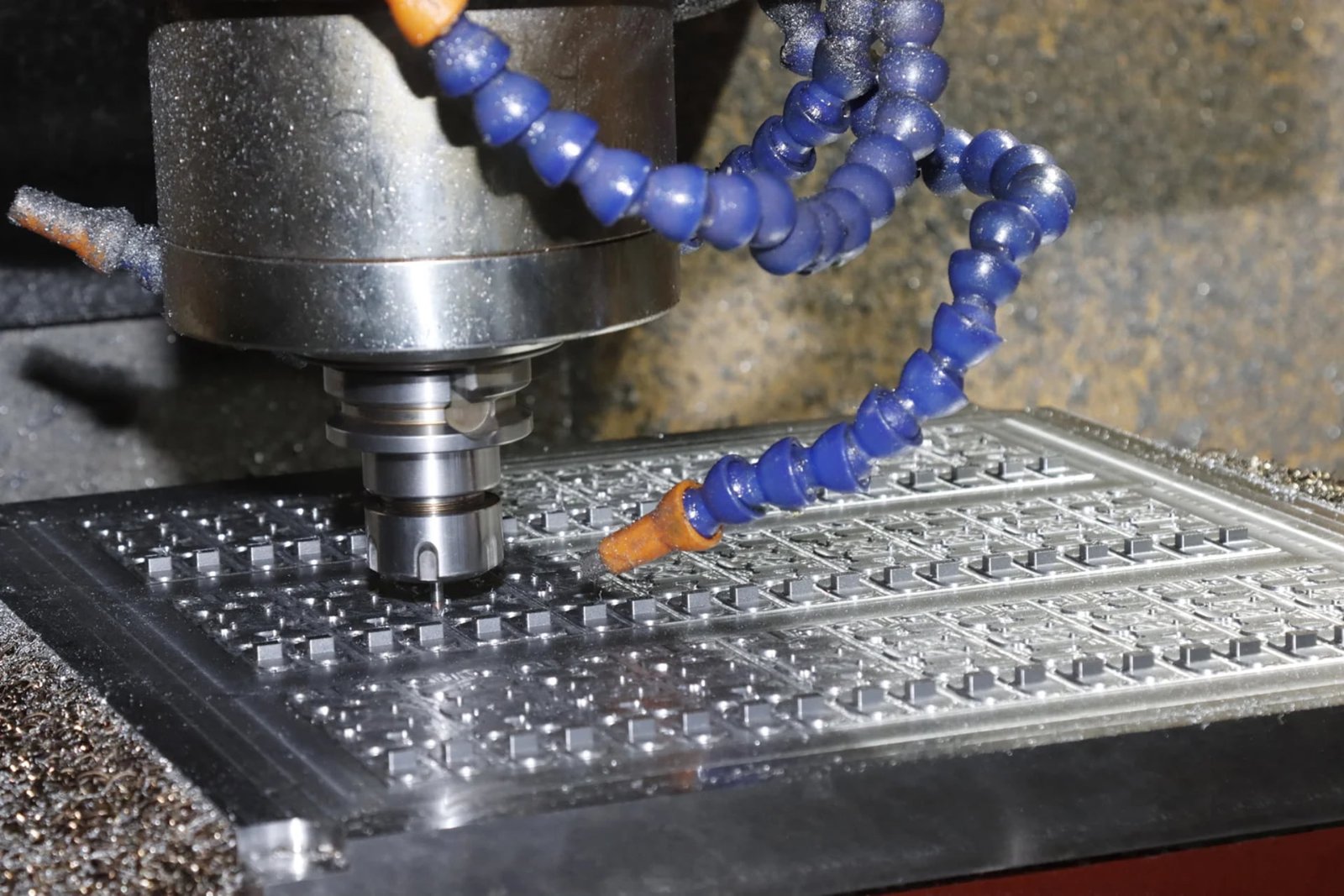
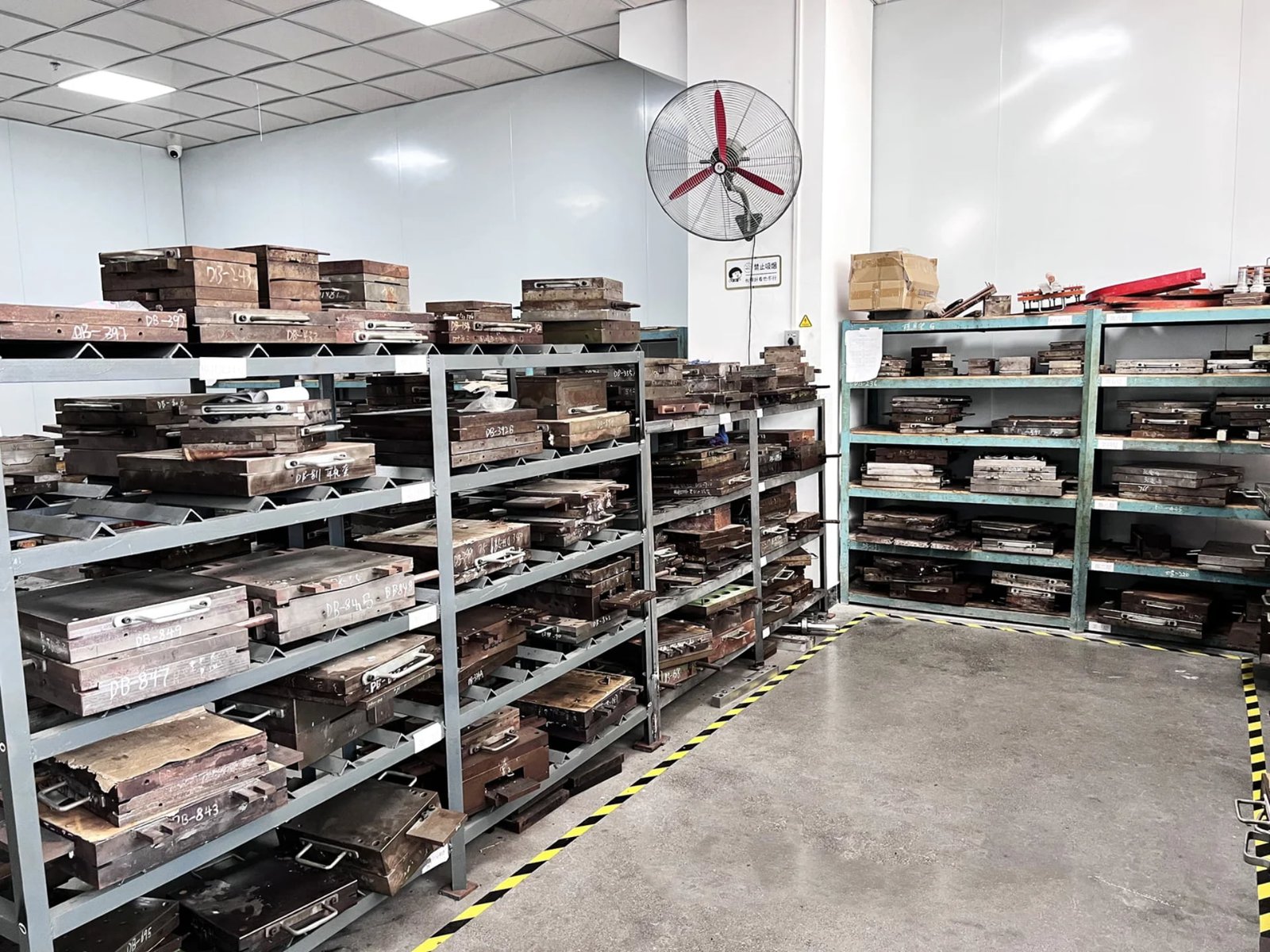
When executing a custom silicone case project, technical engineering and material choices directly determine tooling costs. Many buyers request quotes using only photo sketches or simple descriptions. Without precise 3D files in STEP or IGS format, factories cannot evaluate wall thickness, draft angles, or parting lines accurately. This leads to underquoted estimates and sudden price increases later. Material selection represents another major trap. Standard, food-grade, and medical-grade silicone differ significantly in raw material cost. Low-cost manufacturers often use cheap vulcanizing agents or fillers, resulting in sharp chemical odors, yellowing, and failure to pass FDA or LFGB testing1. Finally, silicone is a soft flexible polymer2. If you fail to specify tight dimensional tolerance limits in advance, the finished case will slip off easily or fit too tightly during final product assembly. Saving money on low-cost molds is a dangerous trap because low-precision molds suffer short lifespans and structural warping, costing far more in repairs than building quality steel molds upfront.
| Risky Practice | Potential Cost and Risk | Standard Solution |
|---|---|---|
| Quoting without 3D files | Inaccurate cost estimates and structural errors | Submit STEP or IGS 3D files |
| Selecting cheap low-grade silicone | Yellowing, odor, and FDA/LFGB test failure | Specify certified food-grade or medical-grade silicone |
| Ignoring dimensional tolerances | Loose fit, dropping, or assembly failure | Agree on strict dimensional tolerance limits upfront |
| Purchasing low-cost cheap molds | Short mold lifespan and high repair costs | Invest in high-precision steel molds |
What Production and Delivery Mistakes Cause Massive Financial Losses?
Skipping sample validation risks destroying an entire production run. Shipping goods without inspection causes massive international return costs. Managing execution details protects your capital from catastrophic manufacturing failures.
Costly production and delivery errors for a custom silicone case include mass producing without prototype samples, describing colors verbally without Pantone codes, using poor protective packaging, skipping pre-shipment inspections, and failing to budget lead time buffers for shipping.
Prototyping, Color Accuracy, Inspection, and Written Contract Risks
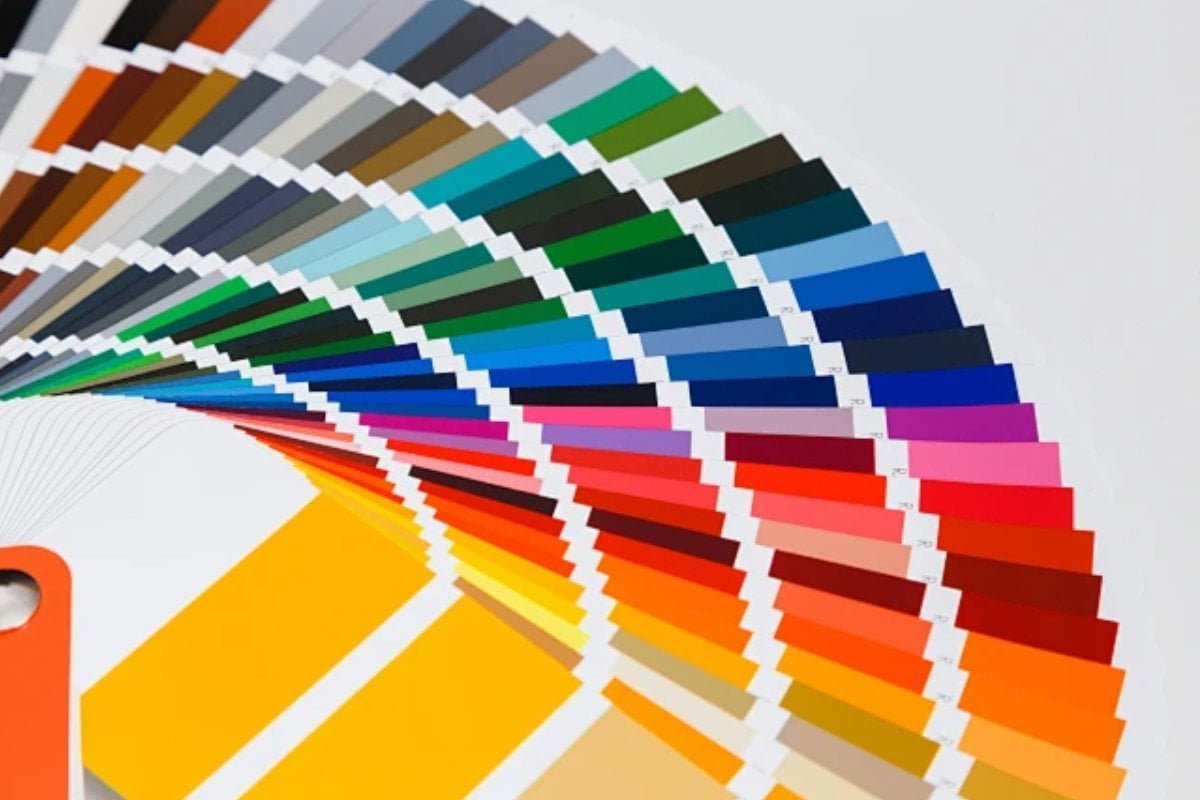
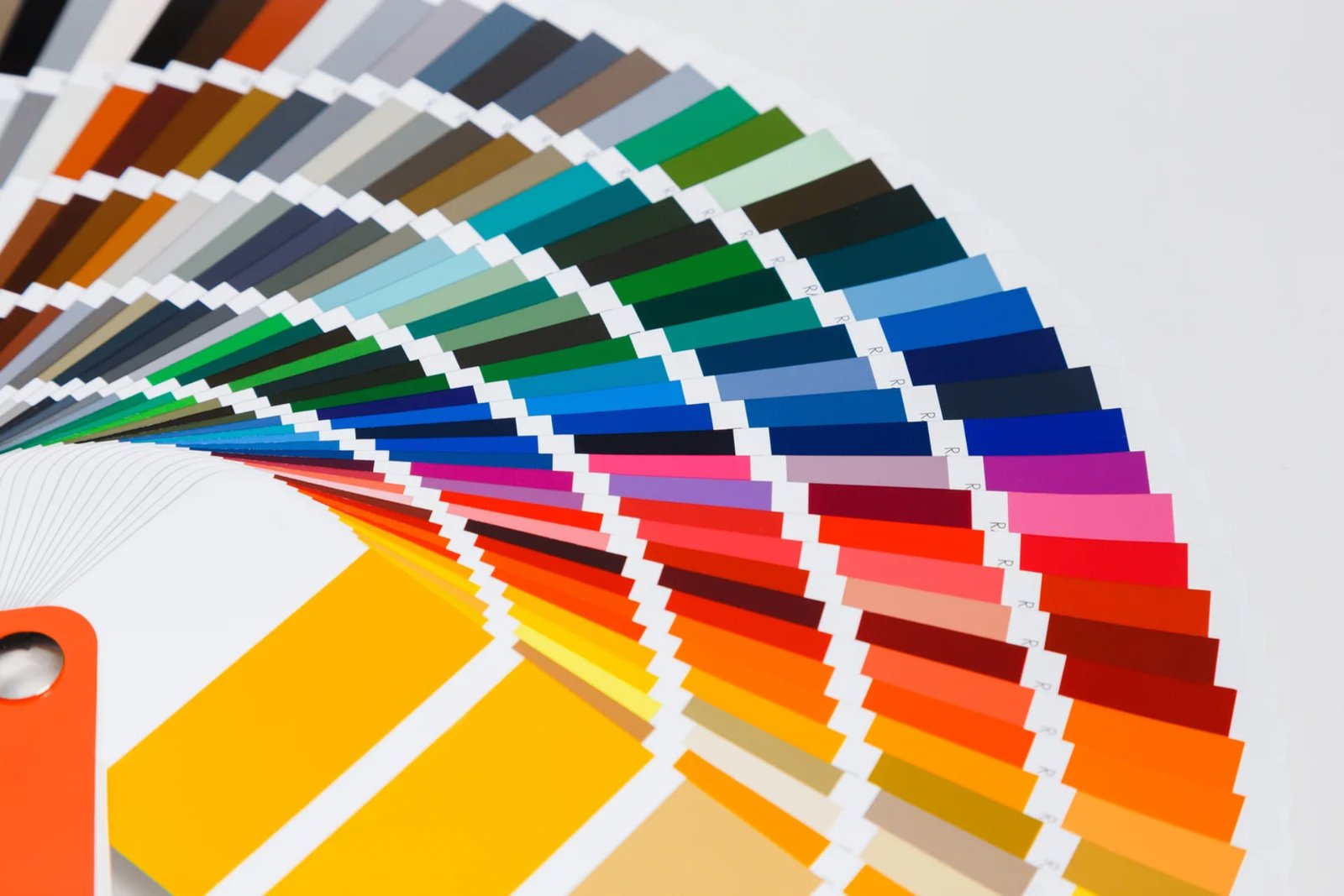
Prototyping and delivery management serve as the final defense line for mass production quality. Mass producing cases without sample validation creates massive financial risks. Even a tiny dimensional error of 0.1 millimeter can render thousands of finished cases useless. Regarding color matching, describing colors verbally creates severe color variations upon delivery. Manufacturers must require official Pantone color codes3 or physical color samples for exact matching. Silicone surfaces attract dust and scratches easily. Cheap packaging allows surface friction and squeezing to cause sticking or scratched covers during transport. Pre-shipment quality inspection is essential to prevent sending defective goods overseas. Furthermore, mold adjustments and ocean shipping require lead time buffers, and ignoring them forces expensive air freight fees. Finally, all technical specifications, material hardness, color codes, certifications, packaging rules, and tolerance limits must be documented in signed written contracts. Verbal promises offer no legal protection when quality issues arise.
| Production Error | Severe Outcome | Recommended Remedy |
|---|---|---|
| Skipping prototype sampling | Assembly errors waste entire production run | Validate dimensions with sample prototypes first |
| Describing colors verbally | Severe color mismatch on finished goods | Provide official Pantone color codes |
| Using basic low-cost packaging | Surface scratches, crushing, and sticking | Use custom dustproof protective packaging |
| Skipping pre-shipment inspection | Defective units sent overseas cause return costs | Perform pre-shipment factory and third-party inspection |
Avoiding costly mistakes in a custom silicone case project requires providing accurate 3D CAD files, specifying FDA or LFGB material grades, testing prototypes, controlling tolerances, and signing clear written agreements.
FAQ
Q: What is the most expensive mistake in a custom silicone case project? A: The biggest cost usually comes from changing the mold after tooling is already made. If the drawing has no draft angle, wrong wall thickness, or bad parting-line position, the first samples may not fit the phone. Fixing it means machining the mold again or building a new one. A DFM review before payment saves more money than comparing unit price. At Dibo Tech, we check fit, wall thickness, button relief, and shrinkage before the mold is cut.
Q: Should a custom silicone phone case use LSR or solid silicone? A: It depends on volume and quality target. LSR injection gives cleaner edges, better thin-wall detail, stable color, and is good for premium retail cases. Solid silicone compression is cheaper for simple shapes and small trial runs, but often needs more trimming and has a heavier parting line. If you plan long-term production and a soft premium feel, LSR is usually the better choice. If you only need 300–500 test units, HCR may be enough.
Q: How do I avoid mold fee and MOQ problems with the factory? A: Confirm three things before paying: whether the mold is new or reused, how many free modifications are included, and what the real MOQ is per color. Many buyers lose money because the quote looks cheap but the mold fee is separate, or the MOQ is too high for market testing. Ask the factory to list tooling, sample, unit price, and color change cost separately. Also ask whether sample mold cost can be deducted from the bulk order.
About the Author & Dibo Tech
My name is Kunfa Ye, but friends call me Jeff. I was born in 1986, the year of the Tiger. In 2011, my brother Autumn Ye and I co-founded Dibo Tech, rooting ourselves in the silicone rubber industry for fifteen years. Building from scratch, we navigated industry cycles and learned the true rewards of hard work. We have always built our business on technical expertise and integrity.
The silicone industry touches every corner of modern manufacturing. I deeply believe that behind every product lies trust, and the essence of business is mutual gain. Over these years, my proudest achievement is not personal financial independence, but helping our clients optimize supply chains and boost production efficiency. Their success is far more rewarding than personal milestones. Today, I aim to give back by sharing insights, answering engineering questions, and connecting people and resources.
Brand Name: Dibo Tech
Slogan: Dibo Technology Silicone Manufacturing Specialists
Website: https://samxine.com/
Our Mission: Based on strong technical capabilities and quality first, we are committed to innovative and eco-friendly silicone rubber production, providing reliable silicone solutions while fulfilling social responsibilities for a sustainable future.
"Food Packaging & Other Substances that Come in Contact with Food - FDA", https://www.fda.gov/food/food-ingredients-packaging/food-packaging-other-substances-come-contact-food-information-consumers. The U.S. Food and Drug Administration regulates food-contact silicone under 21 CFR 177.2600, while Germany's LFGB (Lebensmittel- und Futtermittelgesetzbuch) establishes parallel requirements for food-safe materials in European markets. Evidence role: general_support; source type: government. Supports: Regulatory frameworks governing food-grade silicone materials. ↩
"Silicone - Wikipedia", https://en.wikipedia.org/wiki/Silicone. Silicone polymers, primarily polydimethylsiloxane (PDMS), are synthetic elastomers characterized by a silicon-oxygen backbone that provides exceptional flexibility, with elastic modulus typically ranging from 0.5 to 3 MPa depending on crosslink density. Evidence role: definition; source type: encyclopedia. Supports: The chemical nature and physical properties of silicone polymers. ↩
"Pantone", https://en.wikipedia.org/wiki/Pantone. The Pantone Matching System (PMS) is a proprietary standardized color reproduction system that assigns numerical codes to specific color formulations, enabling consistent color communication across design and manufacturing processes in various industries. Evidence role: definition; source type: other. Supports: The Pantone system as a standardized color specification method. Scope note: Pantone colors are defined for specific substrates and printing methods; achieving exact Pantone matches in silicone molding may require color adjustment due to material translucency and processing effects. ↩
Lascia un commento