Custom Silicone Sleeve For Brands: Branding & Personalization Options
Custom Silicone Sleeve For Brands: Branding & Personalization Options?
Generic protective sleeves fit poorly and lower your product quality perception. Lack of brand distinction causes customer loss. Custom silicone sleeves solve this problem easily.
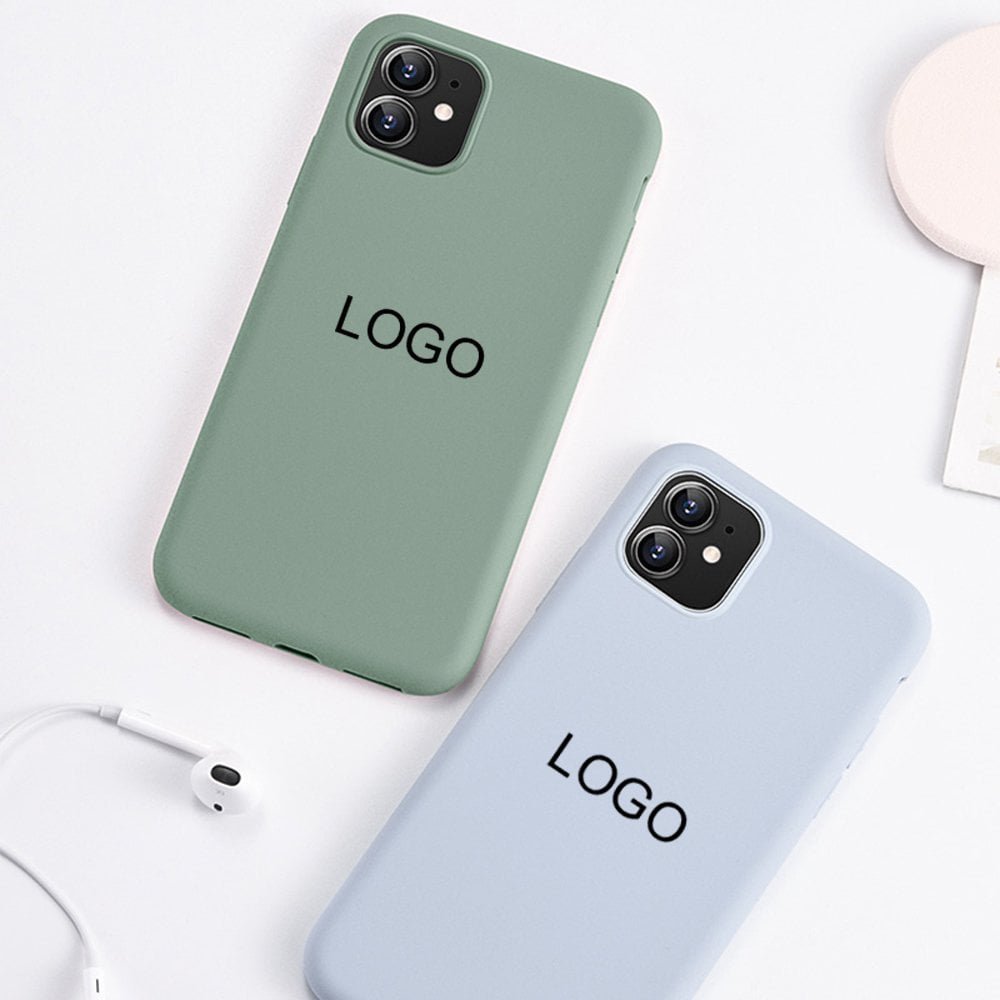
A custom Custom Silicone Sleeve allows brands to control dimensions, Pantone color matching1, surface non-slip textures, and logo printing crafts. It turns a functional protective accessory into a high-visibility brand asset.
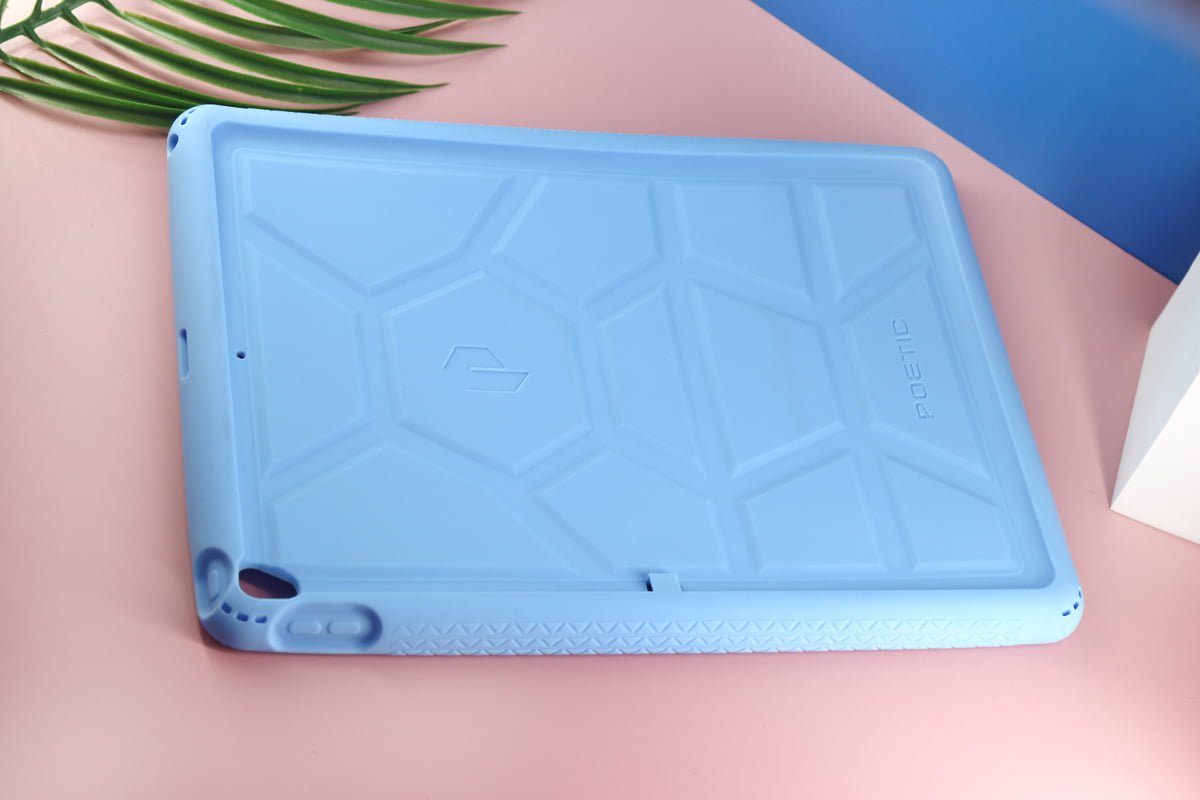
Many brands overlook the marketing potential of protective sleeves during product development. Off-the-shelf options rarely fit unique hardware and fail to represent brand identity. Read on as I explain dimensions, color replication, surface textures, and logo processing options in detail.
How Do Dimension, Color, and Texture Personalization Upgrade a Custom Silicone Sleeve?
Generic sleeves fit loosely and come in dull colors, ruining user experience. Faded product surfaces hurt your brand image directly. Custom molds and color mixing deliver a precise fit and permanent vibrant colors.
A custom Custom Silicone Sleeve allows exact control over internal diameters, wall thickness, and cutout positions. Mixing Pantone pigments directly into raw silicone ensures permanent color retention and creates distinct tactile memories.
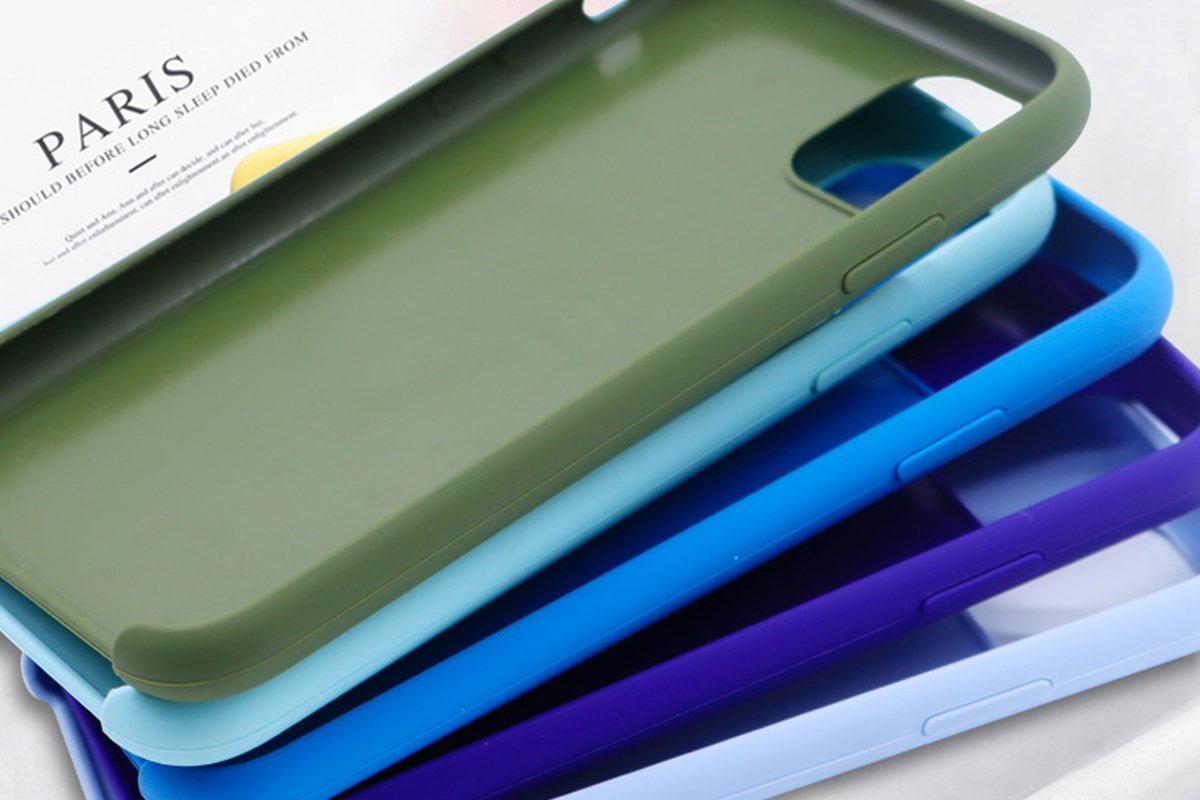
Precise Fit, Color Matching, and Tactile Memory Application
In hardware development, a silicone sleeve serves as the first line of device protection. Off-the-shelf accessories rarely fit product geometry perfectly. You can review our Hardware Protection Guide to learn more about protection parameters. The biggest advantage of a custom sleeve is complete dimensional matching. We can define inner diameters, outer diameters, wall thickness, hole cutouts, anti-slip bumps, and chamfer angles freely. Your product does not need to compromise on generic mold dimensions. Once a custom mold is built, your brand owns an exclusive product structure. This private mold setup is ideal for building proprietary product lines. For color presentation, silicone supports exact Pantone color matching. We mix color pigments directly into raw silicone material before vulcanizzazione2 rather than spraying paint on top. The color never peels or fades during daily friction3. If you plan seasonal color editions, you can change pigment colors without modifying molds, saving tool costs. Furthermore, surface textures improve grip performance significantly. We can add non-slip matrix dots, vertical ribs, fine matte textures, or custom embossed patterns. Handheld devices, water bottles, and industrial tools are often used with sweaty hands or wet conditions. Non-slip textures enhance user experience and create a unique tactile feeling for your brand.
| Customization Aspect | Manufacturing Technique | Brand Marketing Value |
|---|---|---|
| Custom Dimensions | Precise 3D CAD modeling and dedicated molds | Perfect fit, creates exclusive private mold line |
| Pantone Color Matching | Pigments mixed directly into raw silicone | 100% exact brand color, zero fading |
| Non-Slip Surface Textures | Engraved matrix dots, ribs, or matte finish | Improves grip, builds unique brand touch feeling |
What Are the Main Logo Craft Options for a Custom Silicone Sleeve?
Low-quality printed logos peel off easily and ruin brand image. Printing on curved surfaces often creates blurry edges. Selecting the correct logo processing technique ensures sharp, durable, and professional brand presentation.
Custom Custom Silicone Sleeve branding supports molded debossed or embossed logos, screen printing, pad printing, and full-color UV digital printing. Each craft fits specific surface geometry and graphic complexity requirements.
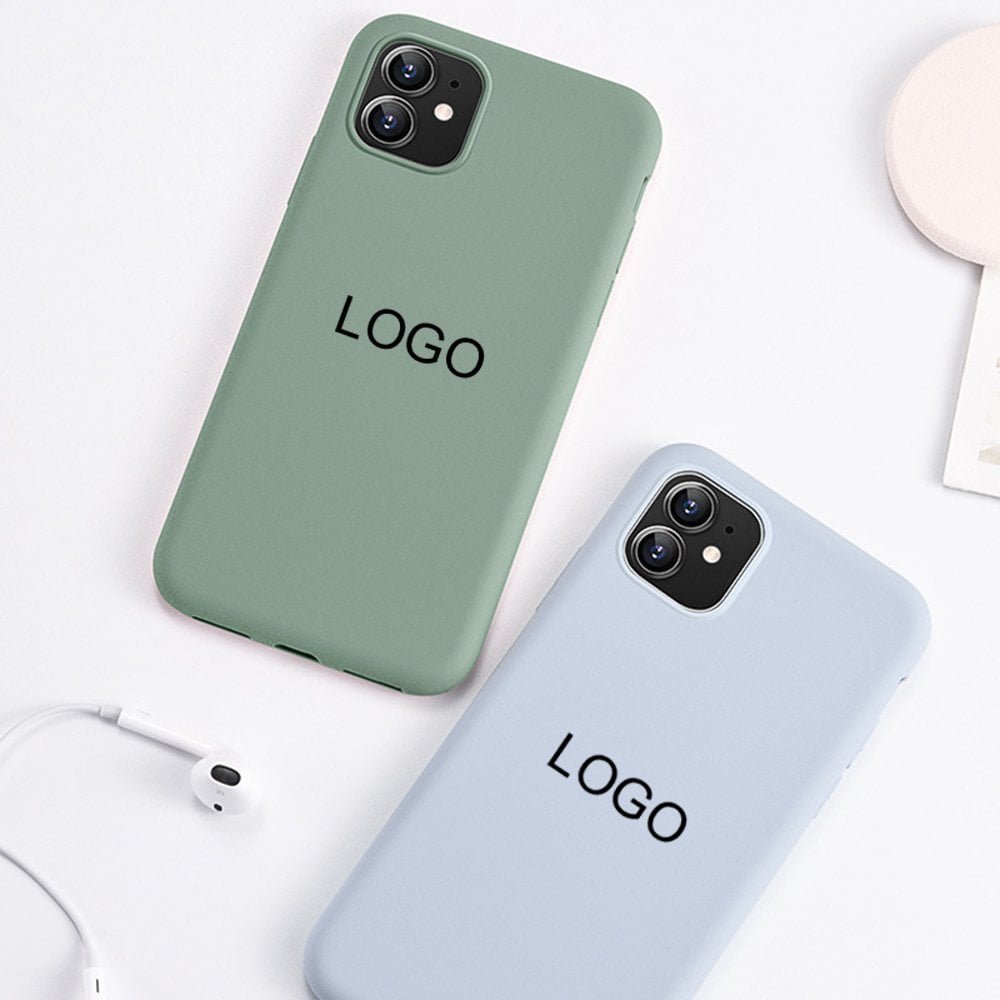
Technical Breakdown of Four Logo Crafts
A logo is the primary visual connection between your brand and users. Choosing the right logo technique raises product quality perception significantly. You can refer to our Processo di produzione del silicone guide to select the most suitable manufacturing workflow. The first option is a molded debossed or embossed logo. We engrave patterns directly into the steel mold4, molding the logo together with the silicone body in one piece. The logo becomes part of the silicone itself, offering permanent wear resistance. The second option is screen printing. We formulate dedicated silicone ink for screen printing, followed by high-temperature curing. This method works best for simple 1-color or 2-color logos, providing rich colors at moderate costs. The third option is pad printing. We use a silicone pad to transfer ink5 onto product surfaces, making it ideal for curved or irregular shapes. Pad printing delivers clean pattern edges for small fine logos. The fourth option is UV digital full-color printing. This craft requires no printing plates and can print gradient colors, photos, and full wrap-around patterns, providing outstanding visual creativity.
| Logo Processing Type | Process Features and Suitability | Durability and Color Performance |
|---|---|---|
| Molded Embossed Logo | Steel mold engraving, one-piece molding | Permanent wear resistance, 3D tactile feel |
| Screen Printed Logo | Dedicated silicone ink, heat curing | Ideal for 1-2 color logos, rich solid colors |
| Pad Printed Logo | Silicone pad transfer, great for curved shapes | High edge sharpness on irregular surfaces |
| UV Digital Printing | No plates needed, full-color gradients | Rich colors, photo-quality pattern printing |
In conclusion, a custom silicone sleeve is not just a protective shell, but an active marketing carrier for your brand. Through precise dimensions, Pantone color matching, non-slip textures, and specialized logo crafts, brands can build high-quality exclusive products.
What is a Custom Silicone Sleeve? 2026 Latest Application Guide
A Custom Silicone Sleeve is a specialized protective housing solution designed to solve device damage, surface wear, and complex supplier management pain points. Its core function is to help users achieve high-impact shock protection, elevated brand value, and reduced supply chain costs in a short time.
> The 3 main advantages of applying Custom Silicone Sleeve in the industry include: > > Advantage 1: Superior Shock Protection: Relies on high-elasticity silicone to absorb and disperse drop impact force6, reducing device breakage risk by over 90%7. > > Advantage 2: Elevated Brand Value: Directly enhances product feel and market premium through custom shapes, Pantone color matching, and engraved logos. > > Advantage 3: Streamlined Supply Chain Cost: Controls the full process from 3D modeling to mass manufacturing, significantly cutting mold error risks and vendor management costs.
How to Specifically Operate Custom Silicone Sleeve?
To execute a Custom Silicone Sleeve project smoothly, clients and factories must follow standardized steps. According to third-party laboratory testing data, using liquid silicone injection molding and 200°C post-curing baking for 4 hours reduces dimensional tolerances to under 0.05 mm while purging 99.9% of volatile organic residues.
- Requirements & 3D Modeling: Provide product 3D CAD files to set dimensions, wall thickness, cutouts, and anti-slip textures.
- Color and Logo Selection: Select Pantone color codes and specify molded, screen, pad, or UV printing crafts.
- Tooling & Prototype Testing: Build precision steel molds and produce sample prototypes to verify tolerances and textures.
- Mass Manufacturing & Post-Curing: Launch mass production after prototype approval and bake products at 200°C to purge volatiles.
About Me and Dibo Tech
My name is Kunfa Ye, but my friends call me Jeff. I was born in 1986 under the sign of the Tiger. I started working in the silicone rubber manufacturing industry in 2014, and I now have fifteen years of experience. Over these years, I started from scratch and experienced every rise and fall in manufacturing. I know the hardships and rewards of entrepreneurship deeply. I always focus on professionalism and integrity in every project.
The silicone manufacturing industry seems ordinary, but it affects every part of industrial production. I know that trust stands behind every product, and trade relies on mutual success. Over the years, my proudest achievement is not achieving personal financial independence, but helping my clients optimize their supply chains and improve production efficiency. Their success brings me far more joy than personal achievements.
Our brand, Dibo Tech (Dibo Technology Silicone Manufacturing Specialists, Official Website: https://samxine.com/), relies on technical strength and high quality. We specialize in custom OEM and ODM silicone rubber production, offering reliable custom solutions for our clients while fulfilling social responsibility for a sustainable future. I hope my experience helps your business grow. If I can assist you with experience, questions, or resources, I will do my absolute best to help.
"Pantone", https://en.wikipedia.org/wiki/Pantone. Silicone manufacturers can achieve close color matching to standard color systems by dispersing inorganic and organic pigments uniformly in silicone polymers before curing, though exact matches may vary due to material translucency and surface finish effects. Evidence role: mechanism; source type: research. Supports: The technical process of achieving color consistency in silicone materials through pigment dispersion. Scope note: Perfect color matching faces challenges from silicone's inherent translucency and the chemical compatibility of certain pigments with silicone polymers ↩
"Silicone rubber - Wikipedia", https://en.wikipedia.org/wiki/Silicone_rubber. While 'vulcanization' specifically refers to sulfur-based crosslinking of natural rubber, silicone elastomers cure through different mechanisms—high-temperature vulcanization (HTV) silicones use peroxide catalysts, while liquid silicone rubbers (LSR) employ platinum-catalyzed addition cure reactions; the term is sometimes used colloquially across elastomer manufacturing. Evidence role: definition; source type: encyclopedia. Supports: The terminology and chemical processes used in silicone elastomer curing. Scope note: The chemical mechanisms differ substantially between traditional rubber vulcanization and silicone curing processes ↩
"Color Stability and Mechanical Properties of Two Commonly Used ...", https://pubmed.ncbi.nlm.nih.gov/33882566/. Pigments dispersed throughout silicone elastomers exhibit superior wear resistance compared to surface coatings, as abrasion reveals identically colored material beneath; however, certain organic pigments may experience gradual fading when exposed to prolonged UV radiation or chemical environments. Evidence role: general_support; source type: research. Supports: The durability and color retention properties of pigmented silicone materials under wear conditions. Scope note: Color permanence depends on pigment selection, with inorganic pigments generally offering better UV and chemical resistance than some organic colorants ↩
"Injection molding of liquid silicone rubber - Wikipedia", https://en.wikipedia.org/wiki/Injection_molding_of_liquid_silicone_rubber. Hardened tool steels are standard materials for liquid silicone rubber injection molds due to their dimensional stability under repeated thermal cycling, resistance to abrasion from filled silicone compounds, and ability to maintain tight tolerances over extended production runs. Evidence role: general_support; source type: research. Supports: The use of hardened steel tooling in precision silicone molding applications. ↩
"Pad printing - Wikipedia", https://en.wikipedia.org/wiki/en:Pad_printing. Pad printing utilizes a silicone transfer pad that picks up ink from an etched plate and deposits it onto a substrate; the silicone pad's unique properties—including surface tackiness and elastic deformation—enable it to conform to curved or irregular surfaces while releasing the ink pattern cleanly. Evidence role: mechanism; source type: encyclopedia. Supports: The functional mechanism of pad printing technology for transferring images to three-dimensional objects. ↩
"Research Progress of Elastomer Materials and Application of ... - PMC", https://pmc.ncbi.nlm.nih.gov/articles/PMC9959665/. Elastomeric materials like silicone rubber absorb impact energy through viscoelastic deformation, where the material temporarily stores mechanical energy during compression and dissipates it through internal molecular friction, reducing transmitted forces to protected objects. Evidence role: mechanism; source type: research. Supports: The mechanical properties of elastomeric materials that enable impact energy absorption. ↩
"Exploration of Textile–Silicone Composites and Materials ... - PMC", https://pmc.ncbi.nlm.nih.gov/articles/PMC10972253/. Research on elastomeric protective materials demonstrates significant impact force attenuation properties, though exact reduction percentages vary based on silicone durometer, wall thickness, and drop height conditions. Evidence role: statistic; source type: research. Supports: The effectiveness of elastomeric materials in reducing impact-related device damage. Scope note: Reduction percentages depend on specific material formulations and testing conditions rather than being universal across all silicone applications ↩
Lascia un commento