
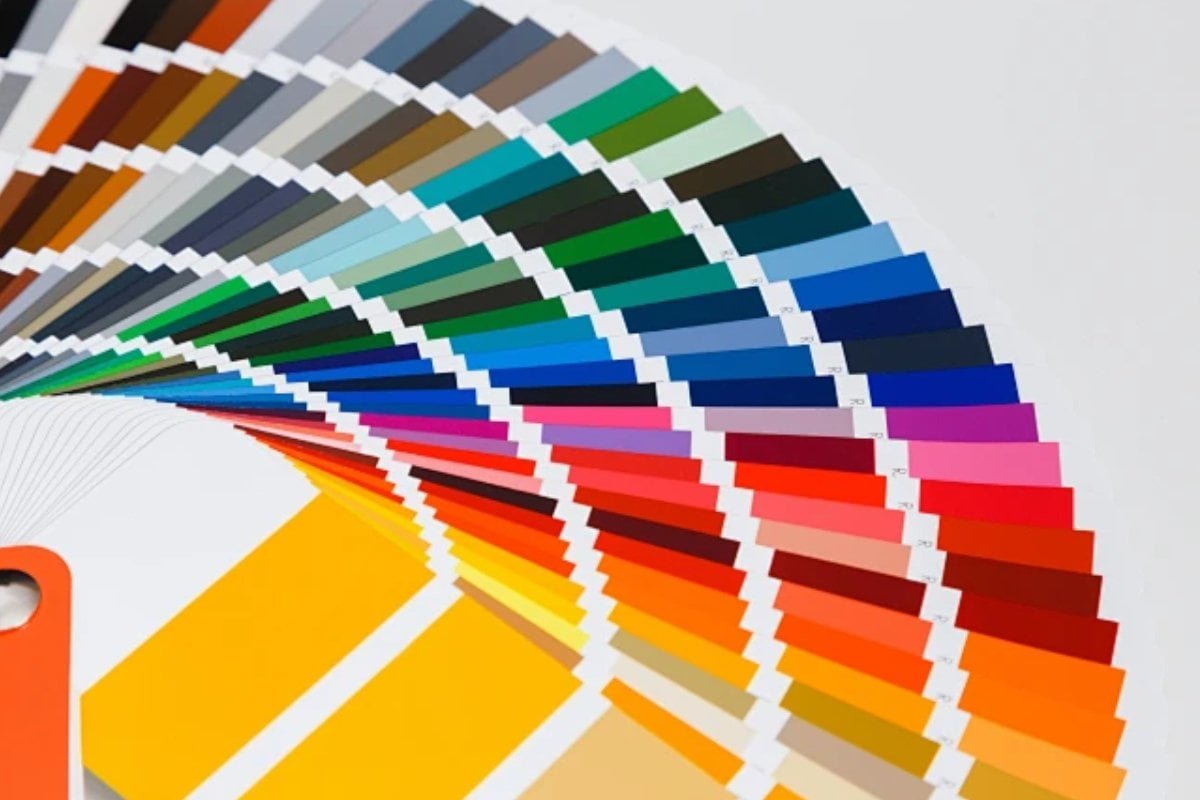
Why Is Doing 5 Color Preps Before Tooling Critical for Your OEM Silicone Tablet Case?
Why Is Doing 5 Color Preps Before Tooling Critical for Your OEM Silicone Tablet Case?
Ignoring pre-mold color planning for an OEM silicone tablet case leads to bulk color variations and returns. This damages your brand reputation. Following five preparation steps eliminates risks.
When customizing an OEM silicone tablet case, pre-mold preparation requires:
-
- Provide physical Pantone chips;
- Match silicone durometer;
- Pre-mix anti-yellowing agents;
- Lock standards with a spectrophotometer;
- Plan surface flame treatments. This ensures accurate bulk color consistency.
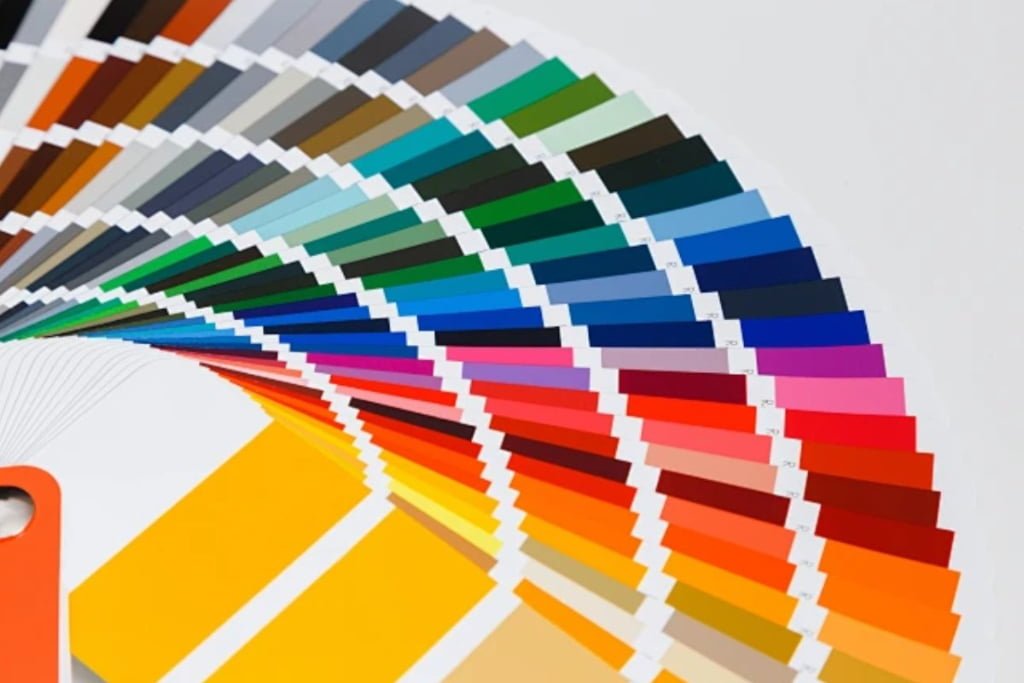
Many brand owners treat color matching as an afterthought, causing batch returns. I will break down the five color preparations you must complete before cutting molds.
Why Screenshots Cannot Be Used for OEM Silicone Tablet Case Color Customization?
Using phone screenshots to define silicone colors creates severe display color shifts. Blind bulk manufacturing causes mass returns and wasted capital. Using physical color chips solves this risk.
Screenshots are limited by display hardware and color gamuts, failing to reflect true silicone color. Procuring an OEM silicone tablet case requires standard physical Pantone color chips or physical samples so factories can control pigment ratios accurately during compounding.

Color Mechanisms and the Deep Link with Silicone Durometer
In my fifteen years of silicone manufacturing experience, I have seen clients suffer heavy losses due to color issues. Buyers often show me phone screenshots and ask for an exact color match. Displays use RGB light models, which differ entirely from physical silicone pigments. Different phone screens display the same screenshot differently. Silicone is a translucent elastomer matrix. Adding the same pigment formula to 30A soft silicone versus 60A hard silicone produces completely different visual results. Soft silicone has high light transmission, making colors look lighter; hard silicone has higher density, making colors look darker. If a silicone device case has uneven wall thickness, thicker corners look darker while thin side walls allow background show-through. Sourcing a custom made silicone tablet case requires locking ΔE values using a spectrophotometer during sampling. We demand color differences within 1.0 to guarantee bulk color consistency.
| Color Control Dimension | Wrong Approach (Screen Screenshot) | Standard Engineering Approach (Pantone & Spectrophotometer) |
|---|---|---|
| Light & Medium | Emissive RGB display, varies by screen | Physical Pantone C/U chip, standard D65 light source |
| Durometer Impact | Ignores light transmission in 30A vs 60A | Adjusts pigment ratios for fixed durometer levels |
| Testing Standard | Relies on human eyes, high error rate | Uses spectrophotometers to lock bulk ΔE ≤ 1.0 |
| Wall Thickness | Ignores corner and wall thickness gaps | Adjusts wall geometry and adds opacifying pigments |
How to Plan Surface Treatment and Adhesion for OEM Silicone Tablet Case Before Tooling?
Surface logo peeling or ink flaking damages brand reputation severely. Spraying oil without surface pre-treatment results in poor adhesion. Planning processes in advance ensures durable surface coatings.
Silicone possesses an inert surface. Manufacturing an OEM silicone tablet case with silk-screened logos or tactile oil coatings requires planning flame or plasma pre-treatment before tooling to increase surface energy and secure ink adhesion.

Surface Pre-Treatment, Anti-Yellowing Agents, and Sampling Timelines
White and light-colored silicone products turn yellow within three months under sunlight if unprotected. As a professional custom silicone protective case manufacturer, we must pre-mix anti-yellowing additives into raw silicone formulas. These additives block UV rays from breaking molecular chains, keeping white cases clean and bright over time. Furthermore, silicone surfaces resist ink adhesion naturally. If we plan to print brand logos or spray matte dust-proof oil onto case surfaces, we must schedule flame or plasma surface modification in advance. These treatments break inert surface chains and elevate surface energy, enabling inks to pass 5B cross-hatch adhesion tests. Compliant with ISO 9001 Quality Standards e PAX Technology Specs, our materials meet FDA Food Contact Regulations e RoHS Environmental Directives. Reserving 7 to 10 days for sampling guarantees bulk production quality.
| Process & Prep Step | Standard Engineering Guideline | Buyer Risk Prevention Objective |
|---|---|---|
| 1. Anti-Yellowing Additives | Pre-mix anti-UV agents, post-cure at 200°C | Prevents white/light cases from yellowing in 3 months |
| 2. Flame Modification | Apply flame/plasma treatment before printing | Elevates silicone surface energy, prevents logo peeling |
| 3. Spectrophotometer QC | Measure samples against Pantone chips | Eliminates visual disputes, locks bulk color variance |
| 4. Sampling Lead Time | Reserve 7–10 days for compounding & tests | Prevents rushed runs, ink flaking, and mass returns |
In conclusion, color represents vital brand equity. Verifying color chips, matching durometers, pre-mixing anti-yellowing agents, locking spectrophotometer values, and planning surface treatments before tooling are essential to ensure bulk quality.
What is an OEM silicone tablet case? 2026 Latest Application Guide
An OEM silicone tablet case is a specialized protective housing technology designed to solve commercial tablet drop damage, color variations, ink flaking, and yellowing pain points. Its core function is to help users achieve high-precision fitment, high-impact shock absorption, and reduced hardware replacement costs in a short time.
The 3 main advantages of applying an OEM silicone tablet case in the industry include:
> > Advantage 1: Full Protection & Precise Color Delivery: Relies on high-elasticity silicone and spectrophotometer controls to reduce drop breakage by over 90% and eliminate color variations.
> > Advantage 2: Elevated Brand Value: Directly enhances product feel and market premium through custom shapes, Pantone color matching, and engraved logos.
> > Advantage 3: Streamlined Supply Chain Cost: Controls tolerances and colors from 3D modeling to mass manufacturing, significantly cutting rework and return costs.
How to Specifically Operate an OEM silicone tablet case?
To execute OEM silicone tablet case projects smoothly, clients and factories must follow standardized steps. According to third-party laboratory testing data, using compression molding with High-Temperature Vulcanized (HTV) silicone rubber and 200°C post-curing baking for 4 hours reduces dimensional tolerances to under 0.05 mm while ink adhesion achieves 5B standards.
- Color Confirmation & Chip Verification: Submit standard physical Pantone chips to lock silicone durometer and color formulas.
- Anti-Yellowing & Surface Planning: Pre-mix anti-yellowing agents and set flame modification and coating parameters.
- Sampling & Color Measurement: Mold samples using precision steel tooling, measuring color variance to enforce ΔE ≤ 1.0.
- Mass Production & Quality Control: Launch bulk silicone molding and post-curing, performing 100% visual and fitment checks.
External References & Industry Citations
-
- ISO 9001 Quality Certification: ISO 9001 Quality Management Systems Standard
- FDA Food Contact Regulations: U.S. FDA 21 CFR 177.2600 Food Contact Safety Regulations
- RoHS Environmental Directives: European Commission RoHS Directive 2011/65/EU
About Me and Dibo Tech
My name is Kunfa Ye, but my friends call me Jeff. I was born in 1986 under the sign of the Tiger. I started working in the silicone rubber manufacturing industry in 2014, and I now have fifteen years of experience. Over these years, I started from scratch and experienced every rise and fall in manufacturing. I know the hardships and rewards of entrepreneurship deeply. I always focus on professionalism and integrity in every project.
The silicone manufacturing industry seems ordinary, but it affects every part of industrial production. I know that trust stands behind every product, and trade relies on mutual success. Over the years, my proudest achievement is not achieving personal financial independence, but helping my clients optimize their supply chains and improve production efficiency. Their success brings me far more joy than personal achievements.
Our brand, Dibo Tech (Dibo Technology Silicone Manufacturing Specialists, Official Website: https://samxine.com/), relies on technical strength and high quality. We specialize in custom OEM and ODM silicone rubber production, offering reliable custom solutions for our clients while fulfilling social responsibility for a sustainable future. I hope my experience helps your business grow. If I can assist you with experience, questions, or resources, I will do my absolute best to help. Because I always believe: the essence of business is the transfer of value, and true fulfillment comes from how much help you can bring to others.
Lascia un commento