ブログカテゴリー

業界インサイト

総記事数 25
Silicone Mold Shrinkage: What to Expect & How to Compensate
- Zhang

Silicone Mold Shrinkage: What to Expect & How to Compensate

Silicone mold shrinkage is the gap between the cavity you cut and the part you get, and it is the most common reason a first article fails a dimensional check. The percentage is small — typically 1.5% to 3% — but on a 150 mm enclosure that is up to 4.5 mm of missing part, which is the difference between a snap fit and a rattle. This guide covers what the number actually is, why LSR and HTV do not share it, how to measure your own compound instead of trusting a data sheet, and how to build the silicone mold shrinkage allowance into the tool before steel is cut. […]
続きを読む
LSR Injection Molding vs HTV: Food Grade Silicone Guide
- Zhang

LSR Injection Molding vs HTV: Food Grade Silicone Guide

HTV Compression vs LSR Injection Molding: How to Choose the Right Food-Grade Silicone Mold Process? Selecting the wrong silicone molding process causes high tooling costs and low production efficiency. You need a clear selection guide for your project. HTV compression molding suits low-volume, large-size, and simple products at lower tooling costs. LSR injection molding suits high-volume, high-precision, and flashless parts with short cycle times and extreme cleanliness. Many buyers focus solely on cheap tooling upfront, suffering low efficiency and high rejection rates during mass production. Follow my guide to understand the true differences between both processes. Why Are Low-Volume and Large-Sized Parts Better Suited for HTV food grade silicone molding […]

続きを読む
How to Clean Silicone Molds Properly | Food-Grade Care & Maintenance Guide
- Zhang

How to Clean Silicone Molds Properly | Food-Grade Care & Maintenance Guide

Why Proper Silicone Mold Cleaning Matters Food-grade silicone used for repeated food contact should follow U.S. requirements for rubber articles intended for repeated use. Under FDA 21 CFR 177.2600 – Rubber articles intended for repeated use (eCFR), permissible silicone elastomers, adjuvants, vulcanizing agents and extractive limits are defined, and finished articles must be thoroughly cleansed before first food contact. Learn more at the eCFR text If you’ve ever pulled a silicone mold out of storage and noticed it felt sticky, smelled faintly of old butter, or had black spots in the crevices—that’s not the silicone breaking down. It’s residual buildup that regular rinsing missed. Daily Cleaning: Step-by-Step 1. Let the […]

続きを読む
Silicone mold making: Mold Structure & Design Guide
- Zhang

Silicone mold making: Mold Structure & Design Guide

How to Understand the Impact of Silicone Mold Structure on Product Quality? Incorrect mold design causes air traps and tearing defects. Ignoring mold details leads to soaring scrap rates during mass production. A silicone mold structure consists of top plates, bottom plates, cores, and ejector plates. Proper layout, precise parting lines, venting channels, and R angles determine demolding smoothness, flash thickness, and component lifespan. Molds form the foundation of silicone manufacturing. High-precision tooling guarantees stable mass production. Read on to see how mold structural details directly govern component quality. Why Must custom silicone molds Focus on Plate Layout and Venting Channels? Trapped air in mold cavities causes un-vulcanized voids and […]

続きを読む
HTV Silicone: What Is High Temperature Vulcanizing Silicone?
- Zhang

HTV Silicone: What Is High Temperature Vulcanizing Silicone?

What Is HTV Silicone, and How Does It Function in Silicone Manufacturing? Confused between HTV, LSR, and RTV silicones during sourcing? Selecting wrong materials inflates tooling budgets and triggers product rejections. HTV Silicone is high temperature vulcanizing silicone rubber. Originating as a dense solid compound of base gum and fumed silica, it crosslinks under 160°C to 180°C pressure using peroxide catalysts, offering high tensile strength and broad heat stability. Procurement managers and engineers frequently confuse solid and liquid silicone properties,I will break down the physical principles and processing benefits of HTV silicone. What Is the Material Structure and Curing Principle of HTV Silicone? Selecting incorrect vulcanization processes introduces air blisters […]

続きを読む
Silicone BPA Free: Dangers of BPA & Silicone Safety Guide
- Zhang

Silicone BPA Free: Dangers of BPA & Silicone Safety Guide

What Are the Dangers of BPA, and Which Silicone Products Contain It? Are you concerned that baby tableware and heating utensils leach bisphenol A? Ignoring material compliance hazards exposes your family to hidden chemical risks. Bisphenol A is a harmful plastic monomer that disrupts human endocrine function. Pure silicone is naturally free from bisphenol A. BPA risks associated with silicone products originate primarily from composite plastic handles, PC shields, and low-grade recycled fillers. Many buyers assume that "BPA Free" labels guarantee complete product safety, unaware that composite plastic handles and recycled fillers release toxic substances. BPA Toxicity Mechanisms and Global Regulatory Trends Bisphenol A (BPA) serves as a key monomer […]

続きを読む
platinum-cured silicone vs Regular Silicone: Full Guide
- Zhang

platinum-cured silicone vs Regular Silicone: Full Guide

What is the Difference Between Platinum-Cured Silicone and Regular Silicone? Concerned about odors and toxic residues in silicone products? Choosing the wrong curing system leads to quality returns. Understanding chemical differences guarantees safe material selection. The primary difference lies in the curing mechanism. Platinum-cured silicone uses addition catalysis, leaving virtually no chemical byproducts or odor; regular silicone uses peroxide curing, often leaving acidic volatiles and low-molecular residues. Many buyers focus solely on prices while overlooking how vulcanizing agents affect quality. Follow my guide to understand the technical details of both materials. Why Is platinum-cured silicone Superior in Reaction Chemistry and Byproducts? Do new silicone products release pungent rubber odors? Residual […]

続きを読む
Why Does Food Safe Silicone Smell? Removal Guide
- Zhang

Why Does Food Safe Silicone Smell? Removal Guide

Why Does New Food Safe Silicone Smell and How Do You Remove It? Does a strange rubber smell on new silicone cookware make you hesitate to cook? Chemical odors raise safety concerns. Ignoring odor sources risks using harmful fake materials. Pure cured silicone is virtually odorless. New product smells come from residual vulcanizing agents, release oils, and volatile siloxanes trapped during molding. Certified manufacturers eliminate these smells entirely through high-temperature post-curing baking processes. Many buyers falsely assume that unboxing smells mean silicone is inherently toxic. Follow my fifteen years of manufacturing experience to understand the true causes of silicone odors and safe removal steps. Why Does New food safe silicone […]

続きを読む
fda silicone: What Is FDA Silicone & Compliance Guide
- Zhang

fda silicone: What Is FDA Silicone & Compliance Guide

What is fda silicone ? How to Meet FDA Standards Correctly? Purchasing unverified silicone leading to regulatory fines and customs seizures? Obscuring compliance rules destroys your brand reputation. fda silicone refers to silicone rubber that complies with United States Food and Drug Administration (FDA) regulations. Raw silicone materials themselves are not directly "approved" by the FDA, but achieve compliance through adherence to 21 CFR 177.2600 formulations and extractable testing. Many buyers are misled by "FDA Approved Silicone" marketing claims, leading to huge compliance risks later in production. Follow this guide to clarify the regulatory boundaries between food-contact and medical-grade silicone. Why Is There No Truly fda approved silicone Raw Material? […]

続きを読む
Non toxic silicone: Is Silicone Toxic at High Temp?
- Zhang

Non toxic silicone: Is Silicone Toxic at High Temp?

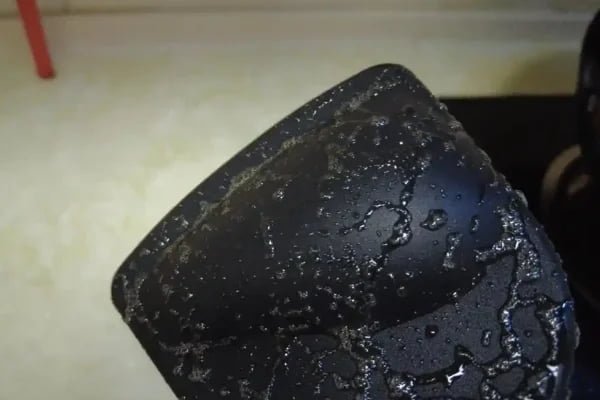
Is Silicone Safe? The Truth About Heat, Toxicity & Bubbling Spatulas If you’ve ever stood over a pan and watched your black silicone spatula break out in a sheen of tiny bubbles, you’re not alone — and you’re right to pause. Across Reddit threads, Amazon reviews, and home-cooking forums, the same questions keep surfacing: Is silicone toxic? Does it leach anything at high heat? Does it contain BPA ? And why on earth is my spatula foaming while I cook? Let’s settle this with a clear, no-marketing-spiel breakdown. 1. Is silicone itself toxic? First, the chemistry. Food-grade and medical-grade silicone is built on a backbone of polydimethylsiloxane (PDMS) — a […]

続きを読む
WhatsAppでチャットする