
Non toxic silicone: Is Silicone Toxic at High Temp?
Is Silicone Safe? The Truth About Heat, Toxicity & Bubbling Spatulas
If you’ve ever stood over a pan and watched your black silicone spatula break out in a sheen of tiny bubbles, you’re not alone — and you’re right to pause. Across Reddit threads, Amazon reviews, and home-cooking forums, the same questions keep surfacing: Is silicone toxic? Does it leach anything at high heat? Does it contain BPA ? And why on earth is my spatula foaming while I cook? Let’s settle this with a clear, no-marketing-spiel breakdown.
1. Is silicone itself toxic?
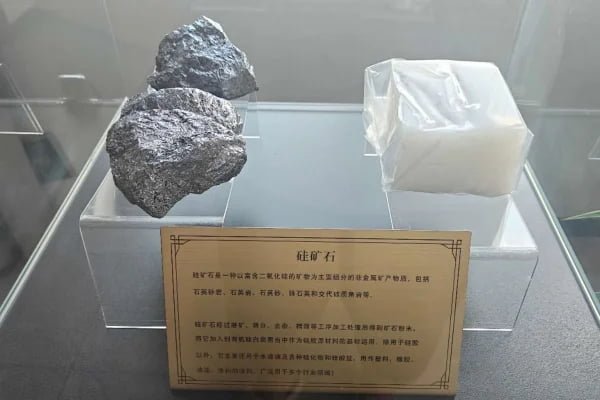
First, the chemistry. Food-grade and medical-grade silicone is built on a backbone of polydimethylsiloxane (PDMS) — a flexible siloxane chain that is chemically inert, stable, and non-reactive under normal cooking conditions. Once fully cured, the material does not readily migrate into food. Reputable non toxic silicone — the kind that complies with 食品医薬品局 21 CFR 177.2600 (rubber articles intended for repeated food contact) or the European LFGB standard — stays stable within its designed window (roughly −40 °C to 200 °C). A properly formulated, platinum-cured spatula made from it is considered food-safe and essentially non-toxic. The catch: “silicone” is treated as a monolith in casual conversation, but in reality there’s a huge gap between certified food-grade PDMS and cheap blended rubber sold as “silicone.” Toxicity concerns rarely come from pure PDMS — they come from what’s mixed into it.
2. Does silicone contain BPA?
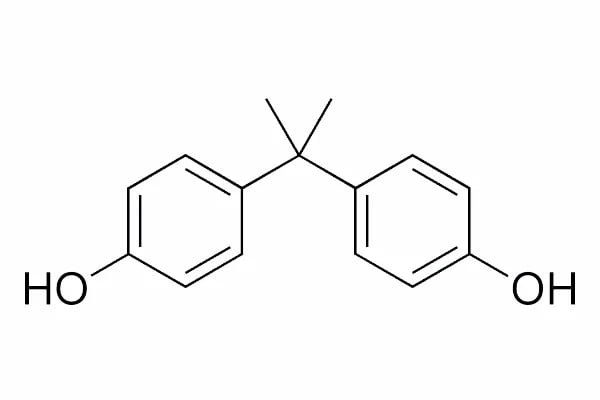
Short answer: No. A genuine bpa free silicone product has no bisphenol structure in its PDMS chain at all — BPA belongs to polycarbonate plastics and epoxy resins, not silicone chemistry. So you won’t find BPA the way you might in a clear plastic container. Be wary, though, of silicone-coated or silicone-blended goods with a plastic substrate or filler; any BPA risk hides in the blend, not the silicone itself.
3. What happens at high heat?
Silicone’s stability has limits:
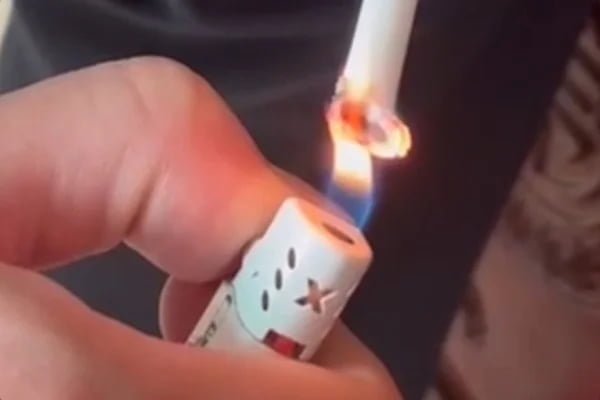
≤ 200 °C: Stable. Air fryer, oven baking, sautéing — all fine. 200–250 °C (prolonged): Trace low-molecular-weight siloxanes (D3/D4/D5) may volatilize, though still within regulatory limits for food-grade grades.
>250–300 °C: Thermal degradation begins; minor formaldehyde and siloxane volatiles can form.
>>350 °C: Noticeable decomposition. Never use near open flame or for dry-empty heating. Rule of thumb: don’t rest the tip of your spatula on a glowing burner, and don’t leave it propped in a dry hot pan.
4. So why is my spatula bubbling?
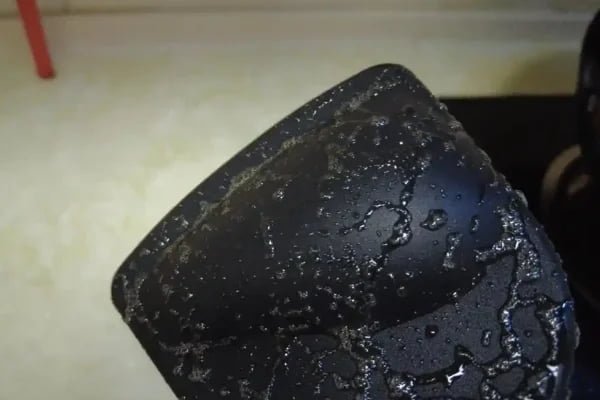
This is the most telling symptom, and it’s rarely the silicone “foaming.” Those glossy beads you see are almost always additives being pushed out by heat:
White oil / plasticizers blended in to cut cost and soften feel Peroxide-cure residues (vs. cleaner platinum curing) Mold-release agents left on the surface Recycled/off-grade rubber filler, calcium carbonate, or talc that loosens the matrix **Poor vulcanization leaving micro-voids that “sweat” oil under hot oil
A properly made, platinum-cured food-grade spatula should not continuously emit bubbles or an oily film while stir-frying. If it does, what you’re holding is likely no longer “pure silicone” — it’s a silicone-loaded composite with cheap extenders.
5. Is it still safe to use?
If you notice persistent bubbling, an oily sheen, a chemical/rubbery odor, stickiness, softening, or discoloration, stop using it — especially for high-heat searing, frying in oil, or anything touching baby food. The risk isn’t “silicone poisoning”; it’s leach-out of undocumented additives you can’t identify or dose.
6. How to choose a safe spatula
Look for “food-grade / platinum-cured” on the spec, not just “silicone” Ask for FDA 21 CFR 177.2600 / LFGB extractables report Avoid suspiciously cheap, very soft, overly glossy black spatulas (black hides filler) Do a quick home check: wipe with a white paper towel after 2 min in 180 °C oil — no oil transfer, no smell Prefer brands that publish CoA / batch traceability
Bottom line
Good silicone is inert, BPA-free, and safe up to ~200 °C. The bubbling spatula in your pan is usually a red flag that extenders and release agents are cooking out with your food. Trust the material — but verify the grade. When in doubt, retire the bubbler.
Frequently Asked Questions (FAQ)
Q1: My spatula only bubbles in hot oil, not in dry use. Does that mean it’s fine?
Not necessarily. Oil acts as a solvent and a heat-transfer booster — it “pulls” low-viscosity additives (white oil, plasticizers, mold-release residues) out of the rubber matrix far more aggressively than dry air does. So bubbling only in oil is actually a stronger signal of additive bleed, not a sign of safety. A certified food-grade platinum-cured spatula should stay clean in oil up to ~200 °C. If you see beads forming in the oil film, retire it.
Q2: Can I ‘cure out’ the smell/bubbles by boiling or baking it first?
This is a popular hack, but it doesn’t fix the root cause. A short boil (5–10 min) may wash off surfacerelease agents temporarily, and a low-temp bake might off-gas some volatiles — but it won’t re-bond a poorly vulcanized matrix or remove filler oils locked inside. Worse, pre-baking at >200 °C can start mild degradation. Boiling is fine for newfood-grade silicone as a rinse; it is not a remediation step for a foaming, low-grade spatula.
Q3: Are colored/translucent spatulas safer than black ones?
Color alone doesn’t determine safety — it’s the pigment compliance + base grade that matter. Translucent spatulas make filler and cloudiness easier to spot, which is why many premium brands stay clear or pastel. Black pigment can maskrecycled filler, calcium carbonate, and uneven curing, which is why a disproportionate share of “bubbling” complaints involve black spatulas. That said, a properly formulated food-grade black pigment (21 CFR 73 compliant) is safe. The rule: don’t trust color, trust the test report.
About Me and Dibo Tech
Brand Name: Dibo Tech
Slogan: Dibo Technology Silicone Manufacturing Specialists
Website: https://samxine.com/
Our Mission:
Grounded in strong technical capability and quality, we specialize in custom OEM and ODM silicone rubber production, offering reliable custom solutions for our clients while fulfilling social responsibility for a sustainable future.
About Me:
My name is Kunfa Ye, but my friends call me Jeff. I was born in 1986 under the sign of the Tiger. I started working in the silicone rubber manufacturing industry in 2014, and I now have fifteen years of experience. Over these years, I started from scratch and experienced every rise and fall in manufacturing. I know the hardships and rewards of entrepreneurship deeply. I always focus on professionalism and integrity in every project.
The silicone manufacturing industry seems ordinary, but it affects every part of industrial production. I know that trust stands behind every product, and trade relies on mutual success. Over the years, my proudest achievement is not achieving personal financial independence, but helping my clients optimize their supply chains and improve production efficiency. Their success brings me far more joy than personal achievements.
Now, I hope to give back to the industry—sharing experience, answering questions, and connecting resources. Whether you are a startup or an experienced industry peer, if I can help, I will do my absolute best. Because I always believe: the essence of business is the transfer of value, and true fulfillment comes from how much help you can bring to others.
コメントを残す