What Is Food Safe Silicone? The Ultimate Guide to Properties, Standards & Applications 1
What Is Food Safe Silicone? The Ultimate Guide to Properties, Standards & Applications
Introduction: Beyond the Kitchen
In modern kitchens and manufacturing, creating an airtight seal is crucial. Whether it’s the gasket on your pressure cooker or the mold for your homemade chocolates, the material touching your food must be safe. While many materials like plastics or ordinary rubber exist, only food safe silicone offers the perfect blend of flexibility, durability, and non-toxicity. But what exactly makes silicone "food grade," and how does it differ from industrial alternatives?
What Defines "Food Safe Silicone"?
Food grade silicone is a vulcanized solid material composed of inorganic polymers. Its primary component is Silica (SiO₂), making up over 98% of its content. Unlike plastics that may contain BPA or fillers, high-quality silicone utilizes fumed silica (400–1000 mesh) to achieve optimal density and stability.
Key Certifications to Look For
When sourcing materials, always verify these certifications:
- FDA (USA): Compliance with 21 CFR 177.2600 for rubber articles intended for repeated food contact.
- LFGB (Europe): A more stringent standard ensuring no unpleasant taste or smell transfers to food.
- SGS / BPA Free: Third-party verification of chemical inertness and heavy metal compliance.
Core Characteristics of Food Safe Silicone
High-performance food safe silicone rubber stands out due to its unique physical and chemical properties.
1. Chemical Inertness & Safety
Food grade silicone is chemically stable. It does not react with acids, alkalis, or salts found in food (with the exception of hydrofluoric acid and strong caustic environments). It is non-toxic, odorless, and tasteless, ensuring your food remains pure and untainted.
2. Extreme Temperature Resistance
Silicone significantly outperforms regular organic rubber in temperature extremes:
- Low Temperatures: Retains elasticity down to –60°C to –70°C, whereas standard rubber hardens at –20°C to –30°C.
- High Temperatures: Can be used almost indefinitely at 150°C, for 10,000 hours at 200°C, and can withstand short-term spikes up to 350°C. This makes it ideal for ovens, microwaves, and sterilization.
3. Physical Properties: Density & Hardness
- Density: 1.1–1.12 g/cm³, making it lightweight yet durable.
- 硬度: Measured in Shore A. While available from 20° to 80°, the 40°–70° range is the industry standard for seals and molds, offering the best balance between flexibility and structural integrity.
4. Durability & Longevity
With high tensile strength and excellent rebound elasticity, food safe siliconedoes not deform easily. It resists yellowing, fading, and UV degradation, ensuring a long service life even with repeated use and washing.
Food Safe Silicone vs. Regular Silicone & Plastic
Understanding the differences helps in making informed purchasing decisions.
| 特徴 | Food Safe Silicone | Regular Silicone / Rubber | Plastic |
|---|---|---|---|
| Safety | Non-toxic, FDA/LFGB | May contain fillers, unsafe | May contain BPA |
| Temp Range | -60°C to 250°C+ | -20°C to 120°C | Low melting point |
| Flexibility | High, elastic | Variable | Rigid, brittle |
| Odor/Taste | None | Possible chemical smell | Possible plastic taste |
| Lifespan | 10+ years | 1-3 years | 6 months - 2 years |
Common Applications: From Pressure Cookers to Molds
The versatility of food safe liquid silicone allows it to be used in various demanding environments.
1. The Pressure Cooker Connection
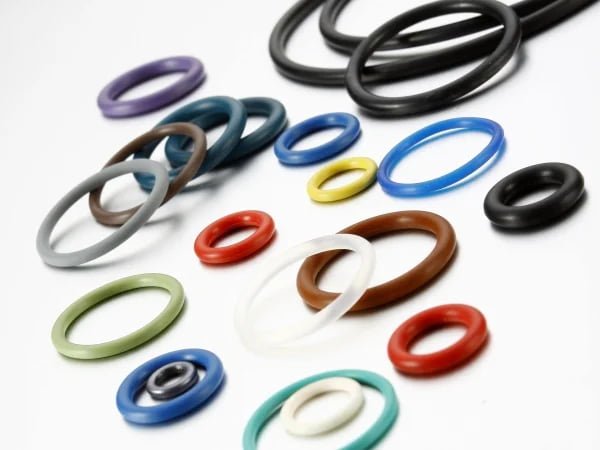
Take the pressure cooker (invented by Denis Papin in 1679) as a prime example. It seals steam at temperatures exceeding 100°C to cook food faster. The silicone sealing ring is the heart of this device. It must withstand high-pressure steam without leaching chemicals, which is why only food grade silicone is legally permitted for this application.
2. Baking and Culinary Molds
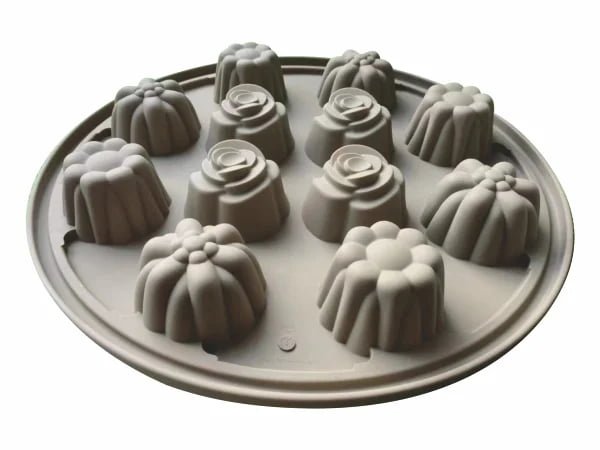
Thanks to its non-stick surface and flexibility, silicone is the gold standard for baking mats (Silpat), muffin pans, and intricate chocolate molds.
3. Daily Use Seals
From water bottle gaskets to baby bottle nipples, food safe silicone rubber ensures a leak-proof and safe experience.
Liquid Silicone vs. Solid Silicone
When manufacturing parts, you will encounter two main forms:
- Liquid Silicone Rubber (LSR): Used for injection molding. It is platinum-cured, has very low viscosity, and is ideal for complex parts like medical devices or precision gaskets.
- Solid Silicone Rubber (HCR): Used for compression molding. It is cost-effective for standard O-rings, gaskets, and seals.
How to Identify Fake "Food Grade" Silicone
Protect yourself from low-quality imitations with these simple tests:
- The Twist Test: Twist the silicone. If it turns white or smells like chemicals, it likely contains cheap fillers.
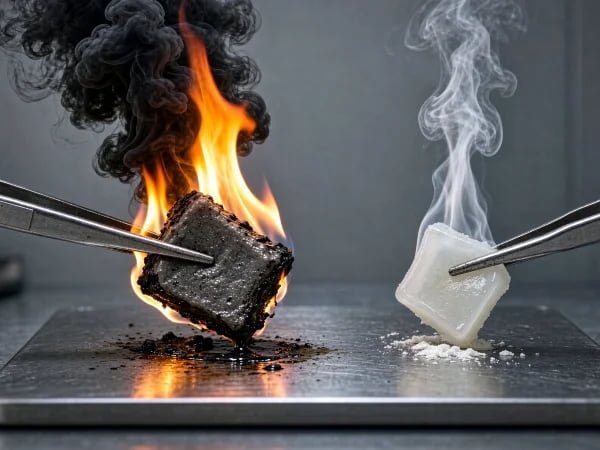
- The Flame Test (Advanced): Real silicone burns with white smoke and leaves a white ash; fake rubber smells like toxic plastic and leaves black soot.
- Check Certifications: Never trust a seller who cannot provide a valid FDA or LFGB certificate.
FAQ: Frequently Asked Questions
Is food safe silicone dishwasher safe? > Yes, it withstands high heat and harsh detergents without degrading.
Can I use food safe silicone for resin molds? > Yes, but ensure it is fully cured. Note that while resin molds don't strictly require food grade material, food grade silicone can be safely used for resin casting.
Does food safe silicone degrade over time? > Minimal degradation occurs. It lasts significantly longer than plastic alternatives, often remaining functional for over a decade with proper care.
結論
Choosing food safe silicone is an investment in health and quality. Whether you need a high-temp gasket for a pressure cooker or a flexible mold for baking, understanding the properties of silica-based rubber ensures you get a product that is safe, durable, and performs under extreme conditions. Always look for the 食品医薬品局 or LFGB mark to guarantee you are getting the real deal.
About Me and Dibo Tech
Brand Name: Dibo Tech
Slogan: Dibo Technology Silicone Manufacturing Specialists
Website: https://samxine.com/
Our Mission:
Grounded in strong technical capability and quality, we specialize in custom OEM and ODM silicone rubber production, offering reliable custom solutions for our clients while fulfilling social responsibility for a sustainable future.
About Me:
My name is Kunfa Ye, but my friends call me Jeff. I was born in 1986 under the sign of the Tiger. I started working in the silicone rubber manufacturing industry in 2014, and I now have fifteen years of experience. Over these years, I started from scratch and experienced every rise and fall in manufacturing. I know the hardships and rewards of entrepreneurship deeply. I always focus on professionalism and integrity in every project.
The silicone manufacturing industry seems ordinary, but it affects every part of industrial production. I know that trust stands behind every product, and trade relies on mutual success. Over the years, my proudest achievement is not achieving personal financial independence, but helping my clients optimize their supply chains and improve production efficiency. Their success brings me far more joy than personal achievements.
Now, I hope to give back to the industry—sharing experience, answering questions, and connecting resources. Whether you are a startup or an experienced industry peer, if I can help, I will do my absolute best. Because I always believe: the essence of business is the transfer of value, and true fulfillment comes from how much help you can bring to others.
コメントを残す