
How Does Magnetic Silicone Ball Work? The Magnetize-After-Molding Secret 4
How Does a Magnetic Silicone Ball Work? Engineering & Manufacturing Breakdown
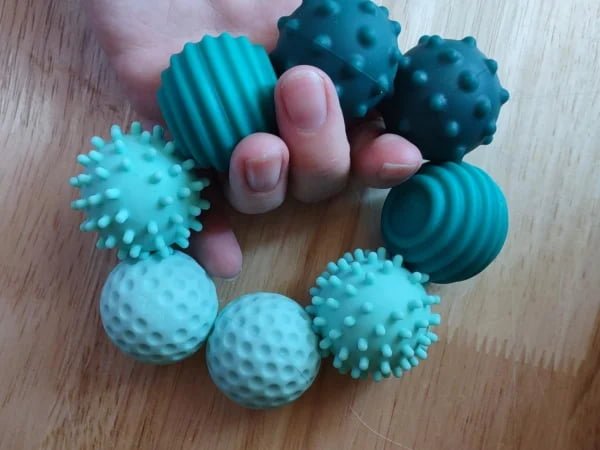
When clients hold a Magnetic silicone ball for the first time, the tactile feedback is distinct. Two silicone balls naturally attract when brought close, offering smooth magnetic damping and elastic bounce when twisted or separated. Buyers and product engineers often ask me: Silicone itself is non-magnetic, so how does it achieve strong magnetic attraction? Is magnetic powder mixed into the compound, or is a strong magnet encapsulated inside?
Mixing magnetic powder directly into raw silicone yields extremely weak magnetic attraction while severely degrading the tear strength of the rubber. On the other hand, placing pre-magnetized strong magnets directly into a hot silicone mold causes total demagnetization. Manufacturing a high-performance Magnetic silicone ball relies on a composite process: Encapsulate First, Magnetize Second.
Below, I will break down the real working principle, common engineering misconceptions, and key quality control factors in manufacturing magnetic silicone balls.
Common Misconception: Why Can't Pre-Magnetized Magnets Be Encapsulated Directly?
In my discussions with custom manufacturing clients, the most common technical misunderstanding is assuming that factories place finished, strong magnets (such as NdFeB neodymium magnets) directly into silicone molds for injection molding. This approach fails in rubber molding operations.
Strong magnets, especially neodymium grades, are sensitive to high temperatures. Liquid Silicone Rubber (LSR) injection or High-Temperature Vulcanized (HTV) compression molding requires mold temperatures between 150°C and 180°C. Placing pre-magnetized cores into high-temperature molds causes irreversible thermal demagnetization during vulcanization. The demolded product loses its magnetic pull completely. Additionally, magnetized cores cling to steel mold cavities, causing core misalignment, uneven silicone wall thickness, or rupture during injection.
Core Process Breakdown: Encapsulate First, Magnetize Second
To eliminate thermal demagnetization and cavity alignment issues, we utilize the "Encapsulate First, Magnetize Second" process when producing a Magnetic silicone ball. When evaluating raw material supply chains, understanding which countries are the biggest producers of silicone is vital to maintaining sourcing stability. This manufacturing workflow consists of three key steps:
1. Precision Core Positioning and LSR Encapsulation
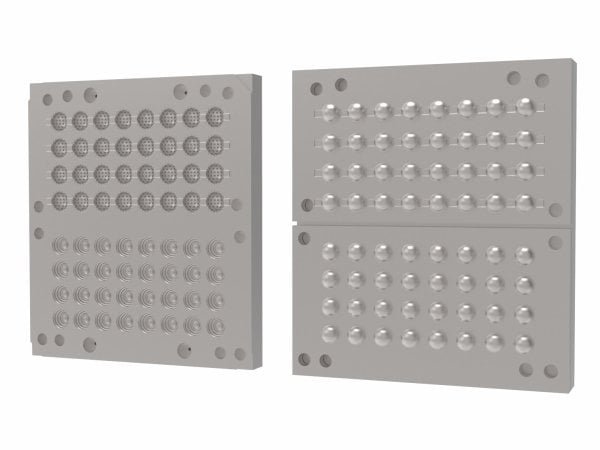
We insert unmagnetized neodymium metal cores into precision molds. Using positioning pins, we lock the unmagnetized core in the center of the mold cavity. Liquid Silicone Rubber (LSR) is injected under high pressure to enclose the core. High-pressure injection purges internal air, achieving a zero-air-bubble, fully sealed enclosure.
2. High-Temperature Vulcanization
The silicone vulcanizes inside the heated mold. Because the internal metal core is unmagnetized at this stage, it suffers no thermal demagnetization nor magnetic displacement against steel mold walls.
3. High-Voltage Impulse Magnetization
Once the silicone ball cures, demolds, and cools down, we place the finished silicone ball into a high-voltage impulse magnetizer. The magnetizer discharges thousands of volts in milliseconds, generating a strong magnetic field. Silicone is a non-magnetic medium and does not shield magnetic lines of force. The intense magnetic field penetrates the silicone wall instantly, fully magnetizing the internal metal core.
| Encapsulation Method | Magnetic Pull Retention | Mold Positioning & Air Bubbles | Manufacturing Feasibility |
|---|---|---|---|
| Direct Molding with Magnetized Core | Severe thermal demagnetization | Magnet clings to steel mold; core shifts; high void rate | Unfeasible; extremely high scrap rates |
| Encapsulate Unmagnetized Core, Then Magnetize | 100% magnet rating retention | Precise center positioning; zero air bubbles | Feasible; stable bulk production quality |
| Silicone Mixed with Magnetic Powder | Very weak magnetic pull | Powder disrupts silicone polymer chains; poor tear strength | Unsuitable for engineering parts; low pull force |
Why Does Magnetic Force Penetrate the Silicone Shell Without Loss?
Silicone is a non-magnetic material. Its relative magnetic permeability is close to 1, meaning silicone neither attracts nor shields magnetic field lines.
Once the unmagnetized core is encapsulated and magnetized via impulse equipment, the magnetic field lines generated by the internal core pass through the silicone wall thickness without impedance. When two Magnetic silicone ball units approach each other, their magnetic fields interact in open space. If spherical or cylindrical cores are used inside, the cores rotate slightly within the soft inner silicone lining to align poles, providing smooth magnetic damping and tactile feedback.
What is a Magnetic Silicone Ball? 2026 Latest Application Guide
A Magnetic silicone ball is a custom silicone product featuring a high-strength metal core seamlessly encapsulated inside silicone using an "encapsulate first, magnetize second" composite process. Its core purpose is to help users achieve strong magnetic attraction and high-elasticity tactile feedback with zero air bubbles and full sealing.
The 3 main advantages of applying a Magnetic silicone ball in manufacturing include:
Advantage 1: Eliminates Thermal Demagnetization: Encapsulating before impulse magnetization prevents irreversible thermal demagnetization during high-temperature vulcanization.
Advantage 2: Sealed Waterproof & Rust Protection: Liquid Silicone Rubber (LSR) seamlessly encapsulates unmagnetized cores, blocking moisture and air to prevent internal core corrosion.
Advantage 3: Superior Tactile & Damping Feedback: High-elasticity silicone paired with internal magnetic field interactions delivers smooth attraction and rotatable damping feedback.
Supply Chain Quality Control Points for Custom Magnetic Silicone Balls
As an experienced, I recommend focusing on three key manufacturing control points when auditing custom projects:
- Core Anti-Rust Plating: Although silicone provides tight sealing, silicone polymers possess micro-permeability. Unmagnetized metal cores must undergo Ni-Cu-Ni or electrophoretic coating before molding, complying with FDA Food Contact Regulations そして RoHS Environmental Directives to prevent internal corrosion.
- Concentricity and Wall Thickness Uniformity: Poor mold positioning creates thin walls on one side of the ball. Factories should operate under ISO 9001 Quality Management Standards to prevent thin silicone walls from rupturing during repeated impacts.
- Magnetization Consistency: Bulk production requires standardized magnetization fixtures to ensure uniform magnetic polarity alignment and pull force across every silicone ball.
In conclusion, an engineering-grade magnetic silicone ball is not a simple protective cover, but a product of polymer chemistry and impulse magnetization. The "encapsulate first, magnetize second" process preserves magnet performance while utilizing the soft, shock-absorbing advantages of silicone rubber.
External References & Industry Citations
- ISO 9001 Quality Certification: ISO 9001 Quality Management Systems Standard
- FDA Food Contact Regulations: U.S. FDA 21 CFR 177.2600 Food Contact Safety Regulations
- RoHS Environmental Directives: European Commission RoHS Directive 2011/65/EU
About Me and Dibo Tech
My name is Kunfa Ye, but my friends call me Jeff. I was born in 1986 under the sign of the Tiger. I started working in the silicone rubber manufacturing industry in 2014, and I now have fifteen years of experience. Over these years, I started from scratch and experienced every rise and fall in manufacturing. I know the hardships and rewards of entrepreneurship deeply. I always focus on professionalism and integrity in every project.
The silicone manufacturing industry seems ordinary, but it affects every part of industrial production. I know that trust stands behind every product, and trade relies on mutual success. Over the years, my proudest achievement is not achieving personal financial independence, but helping my clients optimize their supply chains and improve production efficiency. Their success brings me far more joy than personal achievements.
Our brand, Dibo Tech (Dibo Technology Silicone Manufacturing Specialists, Official Website: https://samxine.com/), relies on technical strength and high quality. We specialize in custom OEM and ODM silicone rubber production, offering reliable custom solutions for our clients while fulfilling social responsibility for a sustainable future. I hope my experience helps your business grow. If I can assist you with experience, questions, or resources, I will do my absolute best to help. Because I always believe: the essence of business is the transfer of value, and true fulfillment comes from how much help you can bring to others.
コメントを残す